
Baby Care
Home & Living > Baby Care
Baby care covers a range of products and essentials intended to meet the routine needs of infants and toddlers, from hygiene and feeding to comfort and safety. In retail and online catalogs, this category aggregates items used by caregivers during daily care, growth stages and travel. Products are typically grouped by function—nappying, feeding, bathing, clothing, and health monitoring—and vary in materials, construction and intended age range. Descriptions commonly note suitable ages or weight ranges, cleaning instructions and compatibility with related accessories. In some markets, availability and assortment reflect local demand, seasonal needs and the logistics of distribution.
About Baby Care
Baby care as a retail category encompasses consumables, durable goods and accessories intended for infants and young children. Consumables include disposable and reusable diapering products, wipes and basic skincare formulations; durables include feeding bottles, breast pumps, strollers and travel equipment; accessories cover items such as pacifiers, bibs and changing mats. Product information in catalogs generally focuses on intended use, ease of maintenance and typical lifespan rather than medical or clinical claims.
Regulatory oversight, safety guidance and labeling practices influence how items are presented, with emphasis on age appropriateness, cleaning guidance and any recommended supervision during use. Sourcing may include local manufacturers and imports; materials and construction details help consumers assess durability and care requirements. Packaging and bundle options are sometimes listed to indicate item quantities or included components. Listings often include basic handling instructions, storage recommendations and any disposal information for single-use items.
Common product types, applications and features
- Diapering essentials: disposable diapers, cloth nappies and changing pads designed for containment and routine cleaning; sizing references often use age or weight ranges and reusability affects care instructions and laundering guidance.
- Feeding equipment: bottles, nipples, manual or electric pumps, sterilizers and feeding accessories for formula or expressed milk; material notes and cleaning recommendations are commonly provided to assist in routine maintenance and safe handling.
- Bath and skincare items: baby shampoos, washes, lotions and gentle detergents alongside bath tubs and support seats; product listings typically indicate suitable formulations for sensitive skin when applicable and provide directions for use, rinsing and storage.
- Clothing and textiles: bodysuits, sleepwear, blankets and swaddles made from common textile types; descriptions often include fabric care symbols, sizes by age or dimension and features such as closures or adjustable elements that simplify dressing and changing.
- Health and monitoring: basic thermometers, nasal aspirators and first-aid items intended for home monitoring; product descriptions usually state intended age range and operational characteristics and advise following professional guidance for clinical concerns.
- Travel and safety gear: strollers, baby carriers, playpens and safety gates designed for mobility, containment or hands-free carrying; listings commonly indicate general stability features, folding mechanisms and compatibility notes for related accessories.
- Toys and developmental aids: age-appropriate rattles, teethers and soft toys that note sensory attributes, recommended supervision and cleaning methods; materials and small-parts warnings are standard parts of the product information to support safe selection.
When presenting baby care items in a catalog context, consistent terminology, clear age or size guidance and straightforward maintenance instructions help caregivers compare options. Neutral descriptions that focus on use cases, user instructions and care requirements support informed choices. Safety guidance and recommended supervision are typical inclusions to align product presentation with commonly accepted caregiving practices and consumer expectations.
Showing all 11 results
-
Sale!
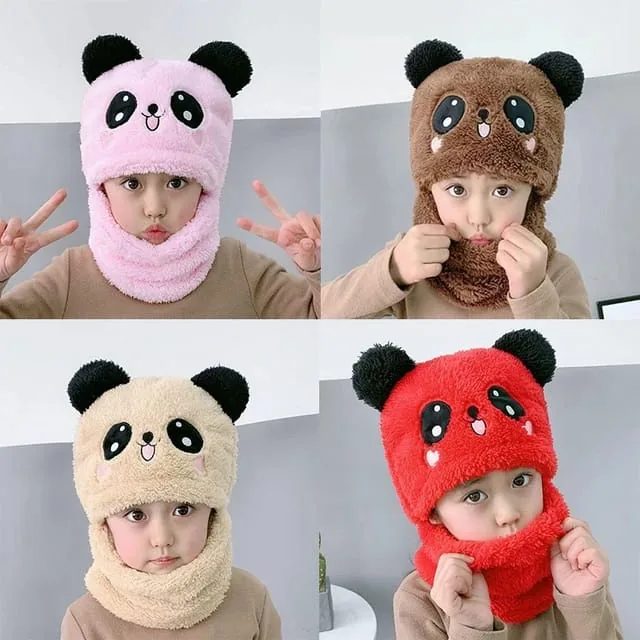
1Cartoon Children Cap Hat Scarf Two-piece Hooded Autumn and Winter Cap Cute Rabbit Panda Hat Winter Keep Warm Fluff Thicken Neck Scarf
Original price was: ₨ 1,200.₨ 938Current price is: ₨ 938. Add to cart -
Sale!
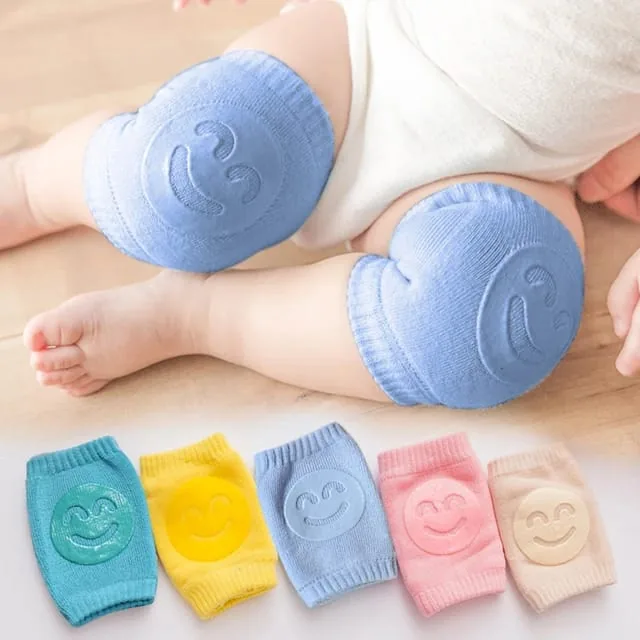
Baby Knee Pad Kids Safety Crawling Elbow Cushion Infants Toddlers Protector Safety Kneepad Leg Warmer Girls Boys Accessories
Original price was: ₨ 416.₨ 325Current price is: ₨ 325. Add to cart -
Sale!
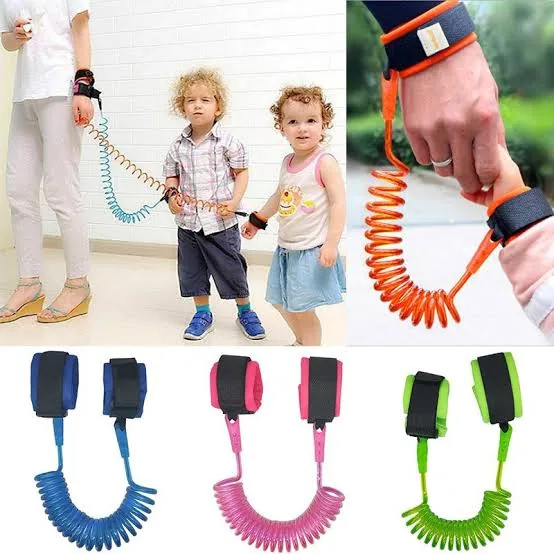
Baby Safety Kid Anti-Lost Bracelet Children Anti-Lost Belt Traction Rope
Original price was: ₨ 1,040.₨ 813Current price is: ₨ 813. Add to cart -
Sale!
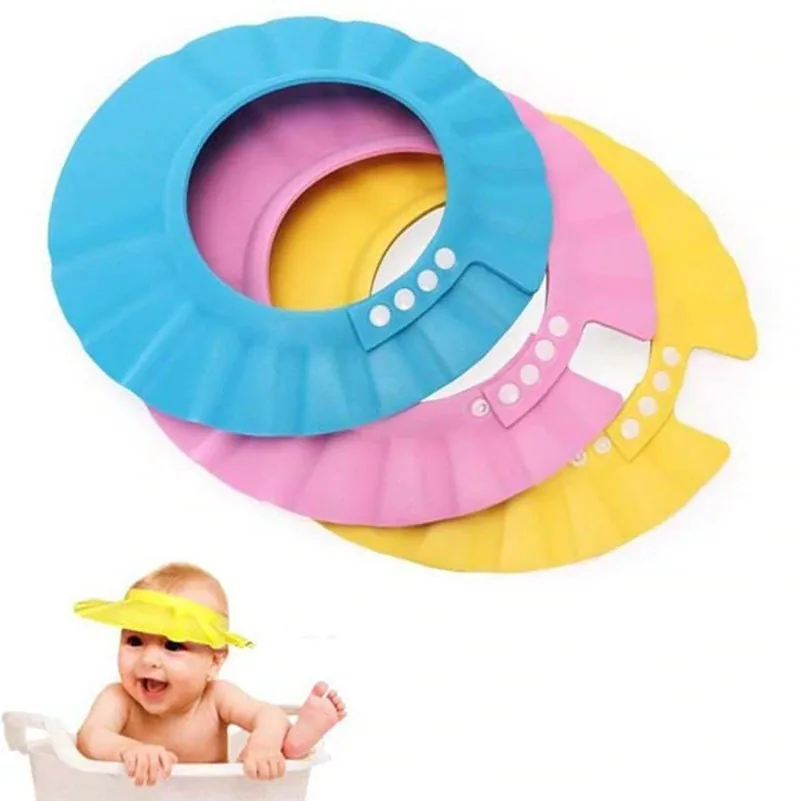
Baby Shampoo Shower Cap Wash Hair Soft Foam
Original price was: ₨ 400.₨ 313Current price is: ₨ 313. Add to cart -
Sale!
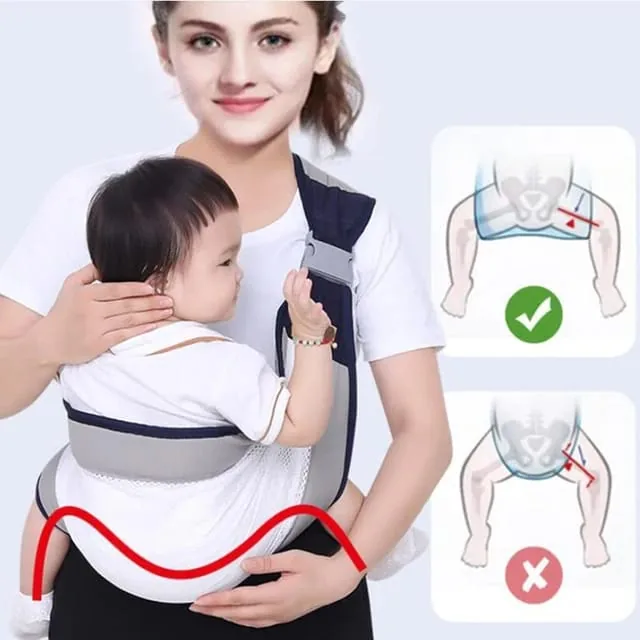
Baby Sling Sleeping Strap, Baby Carrier, Newborn Sling Wrap, Adjustable Cotton Wrap Sling, Infant Kids Carrier Belt
Original price was: ₨ 1,344.₨ 1,050Current price is: ₨ 1,050. Add to cart -
Sale!

Baby Toothbrush Children 360 Degree U-shaped Child Toothbrush Teethers Baby Brush Silicone Kids Teeth Oral Care Cleaning
Original price was: ₨ 240.₨ 188Current price is: ₨ 188. Add to cart -
Sale!
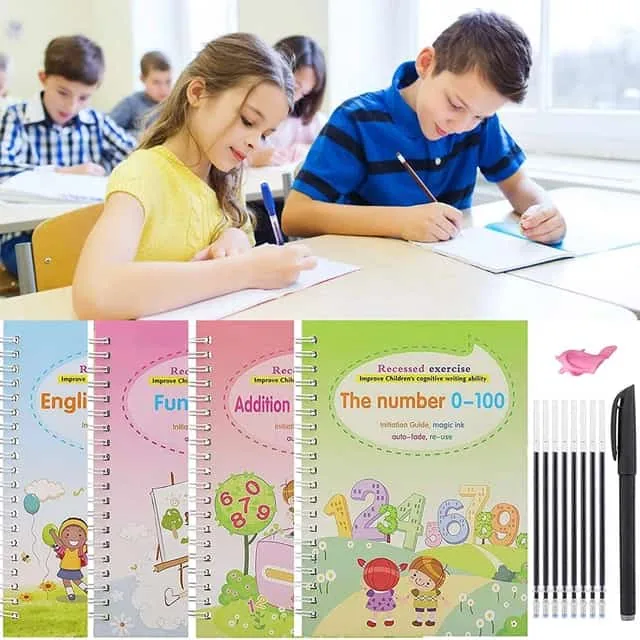
Child Practice Magic Book pack of 4pcs with 10 refill
Original price was: ₨ 880.₨ 688Current price is: ₨ 688. Add to cart -
Sale!
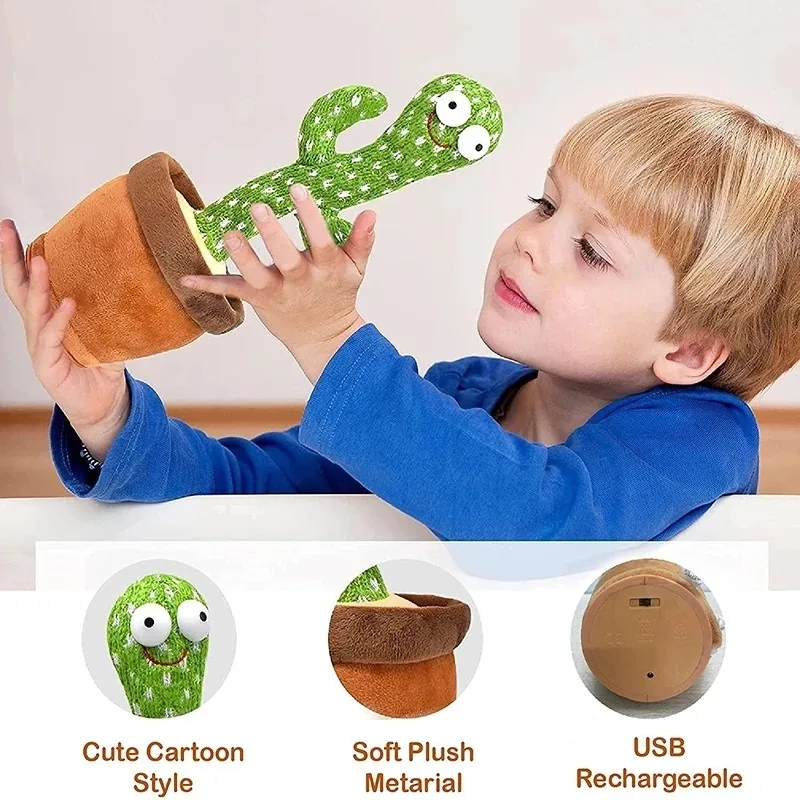
Dancing Cactus Speaker Talking Usb Charging Voice Repeat Plush Cactu Dancer Toy Talk Plushie Stuffed Toys For Kids Gift
Original price was: ₨ 1,680.₨ 1,313Current price is: ₨ 1,313. Add to cart -
Sale!
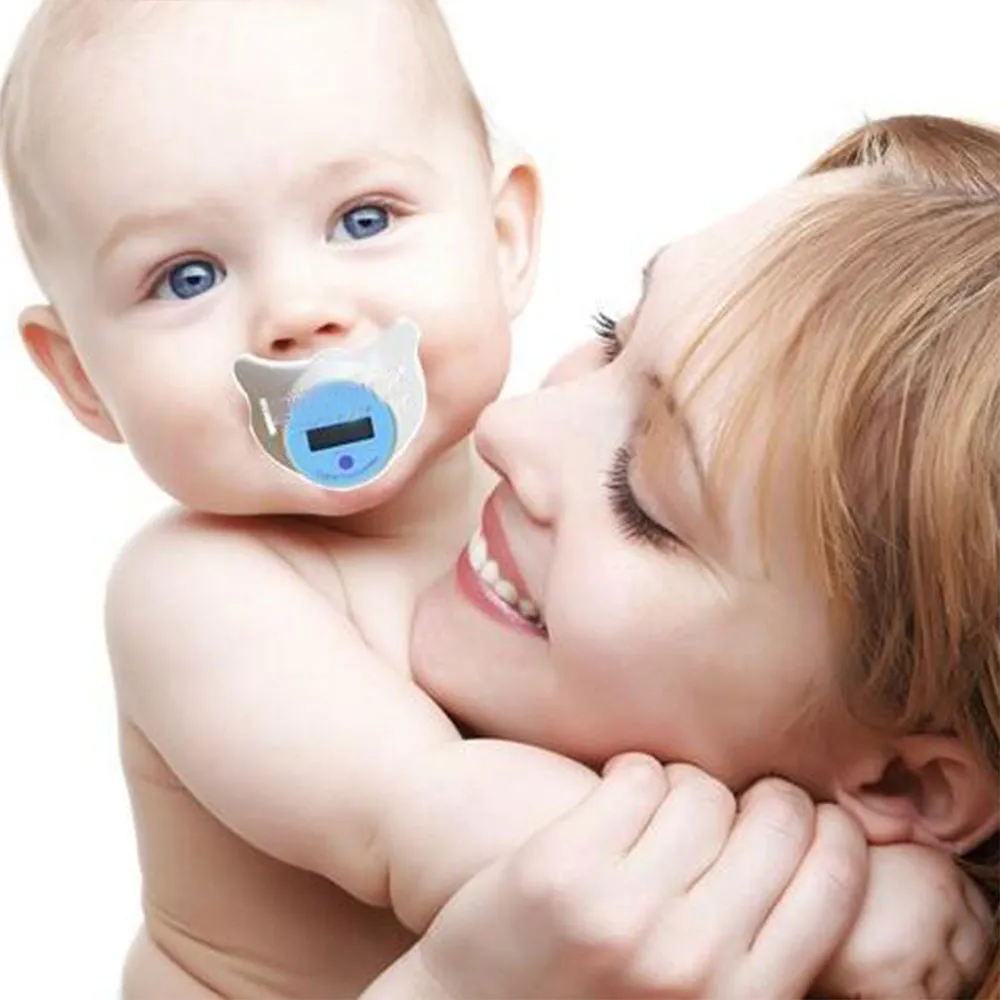
Kids Pacifier Thermometer
Original price was: ₨ 710.₨ 498Current price is: ₨ 498. Add to cart -
Sale!
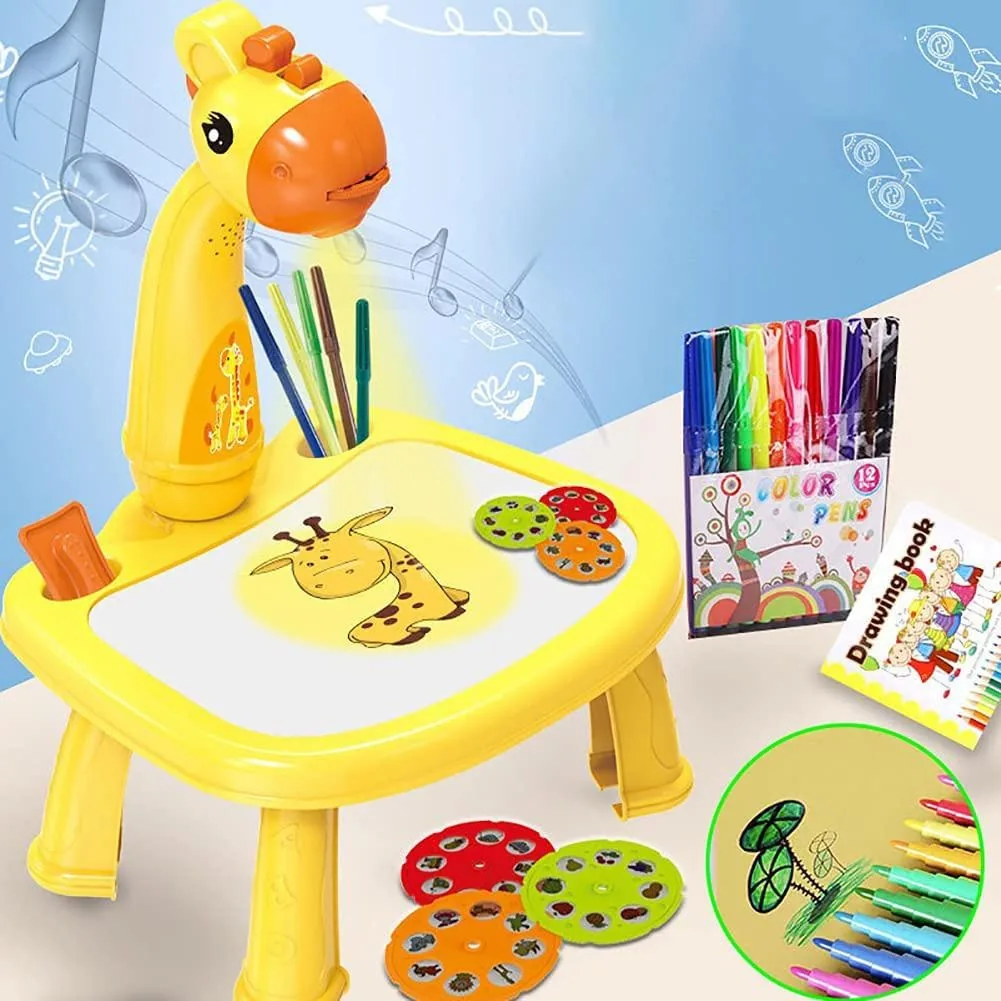 Out of Stock
Musical Painting Board Children LED Projected Drawing Table Kids Focus Educational Detachable Drawing Toy
Original price was: ₨ 3,120.₨ 2,438Current price is: ₨ 2,438. Read more -
Sale!
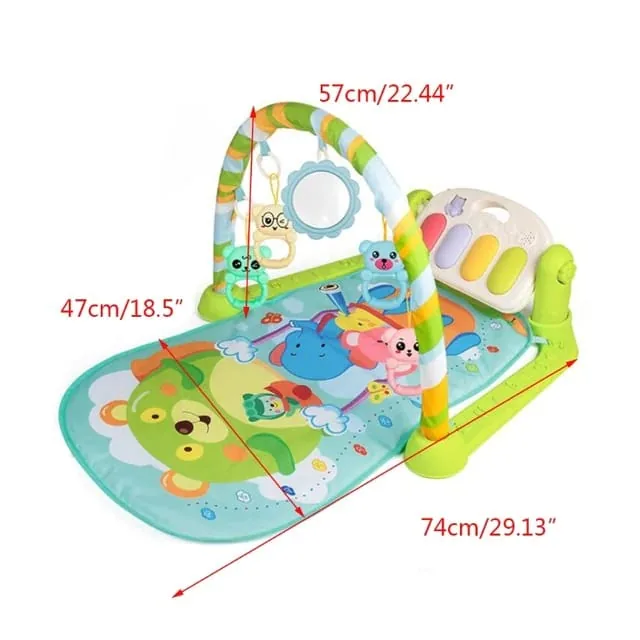 Out of Stock
New Baby Playing Gym
Original price was: ₨ 6,400.₨ 5,000Current price is: ₨ 5,000. Read more
Baby Care description
Home & Living > Baby Care
Baby care covers a range of products and essentials intended to meet the routine needs of infants and toddlers, from hygiene and feeding to comfort and safety. In retail and online catalogs, this category aggregates items used by caregivers during daily care, growth stages and travel. Products are typically grouped by function—nappying, feeding, bathing, clothing, and health monitoring—and vary in materials, construction and intended age range. Descriptions commonly note suitable ages or weight ranges, cleaning instructions and compatibility with related accessories. In some markets, availability and assortment reflect local demand, seasonal needs and the logistics of distribution.
About Baby Care
Baby care as a retail category encompasses consumables, durable goods and accessories intended for infants and young children. Consumables include disposable and reusable diapering products, wipes and basic skincare formulations; durables include feeding bottles, breast pumps, strollers and travel equipment; accessories cover items such as pacifiers, bibs and changing mats. Product information in catalogs generally focuses on intended use, ease of maintenance and typical lifespan rather than medical or clinical claims.
Regulatory oversight, safety guidance and labeling practices influence how items are presented, with emphasis on age appropriateness, cleaning guidance and any recommended supervision during use. Sourcing may include local manufacturers and imports; materials and construction details help consumers assess durability and care requirements. Packaging and bundle options are sometimes listed to indicate item quantities or included components. Listings often include basic handling instructions, storage recommendations and any disposal information for single-use items.
Common product types, applications and features
- Diapering essentials: disposable diapers, cloth nappies and changing pads designed for containment and routine cleaning; sizing references often use age or weight ranges and reusability affects care instructions and laundering guidance.
- Feeding equipment: bottles, nipples, manual or electric pumps, sterilizers and feeding accessories for formula or expressed milk; material notes and cleaning recommendations are commonly provided to assist in routine maintenance and safe handling.
- Bath and skincare items: baby shampoos, washes, lotions and gentle detergents alongside bath tubs and support seats; product listings typically indicate suitable formulations for sensitive skin when applicable and provide directions for use, rinsing and storage.
- Clothing and textiles: bodysuits, sleepwear, blankets and swaddles made from common textile types; descriptions often include fabric care symbols, sizes by age or dimension and features such as closures or adjustable elements that simplify dressing and changing.
- Health and monitoring: basic thermometers, nasal aspirators and first-aid items intended for home monitoring; product descriptions usually state intended age range and operational characteristics and advise following professional guidance for clinical concerns.
- Travel and safety gear: strollers, baby carriers, playpens and safety gates designed for mobility, containment or hands-free carrying; listings commonly indicate general stability features, folding mechanisms and compatibility notes for related accessories.
- Toys and developmental aids: age-appropriate rattles, teethers and soft toys that note sensory attributes, recommended supervision and cleaning methods; materials and small-parts warnings are standard parts of the product information to support safe selection.
When presenting baby care items in a catalog context, consistent terminology, clear age or size guidance and straightforward maintenance instructions help caregivers compare options. Neutral descriptions that focus on use cases, user instructions and care requirements support informed choices. Safety guidance and recommended supervision are typical inclusions to align product presentation with commonly accepted caregiving practices and consumer expectations.
FAQs
In how many brands related to Baby Care available in Pakistan?
Right now, we have Baby Care are available in 1 brand
What brands of Baby Care are available at ShoppersStop.pk?
Currently, we have Baby Care in stock from brand such as As Seen on TV
Where to buy Baby Care with lowest price in Pakistan?
ShoppersStop.pk is known as best online store to buy Baby Care in Pakistan with the most lowest prices and best quality.
Do you offer Baby Care delivery in Pakistan?
Yes, We do offer Baby Care items with fastest shipping in Pakistan. We not only deliver products in major cities of Pakistan, but if you are living in rural areas, we make sure you get your order on time.
Are the Baby Care 100% authentic?
Absolutely. All our Baby Care are 100% genuine and sourced from verified brands.
Do you offer any warranty on Baby Care?
All Baby Care products bought from us comes with 7 days check warranty. For further details, please visit our Refund and Return Policy