
Barcode Scanners
Barcode scanners are electronic devices used to read printed barcodes and convert the encoded information into a digital format. In Pakistan’s retail, warehousing, logistics and healthcare environments, these devices support inventory management, point-of-sale transactions, asset tracking and document processing. Models vary from simple handheld scanners to fixed-mount units and mobile computer hybrids. Their role is primarily to capture product or item identifiers quickly and accurately, enabling downstream software systems to process stock levels, pricing, shipment data and records. Implementation choices typically reflect operational scale, mobility needs and the types of barcodes used on labels or packaging.
About Barcode Scanners
Barcode scanners detect and decode patterns of bars, squares or dots printed on labels and tags. Traditionally designed for one-dimensional (1D) barcodes such as UPC or EAN, many contemporary devices also read two-dimensional (2D) codes like QR codes and Data Matrix, which can store more complex information in a compact area. Scanners interface with computers, cash registers and mobile devices to transmit decoded data for inventory systems, point-of-sale software and enterprise resource planning (ERP) applications. Selection and deployment reflect the scanning environment, required throughput and the physical form factor of the scanner.
Operational considerations include the scanning distance and angle, environmental conditions, label quality, and the need for mobile or fixed scanning points. Scanners are integrated into workflows ranging from single-register retail counters to automated production lines. They are one component within broader data capture and management setups that include label printers, inventory databases and networking infrastructure. In many contexts, compatibility with existing software and connectivity options influences procurement and installation decisions.
Common types, features and considerations
- Form factors: handheld wands and pistols for manual scanning, presentation scanners positioned at counters, fixed-mount readers for conveyor or kiosk use, and mobile computers that combine scanning with on-device data entry.
- Imaging technologies: laser/CCD devices traditionally used for 1D barcodes and imaging-based 2D scanners that capture a picture of the code for decoding; imaging scanners generally handle damaged or dense codes more effectively.
- Connectivity options: wired interfaces such as USB and serial connections for point-of-sale or workstation integration, and wireless options including Bluetooth and Wi‑Fi for mobile or distributed scanning tasks.
- Environmental and build qualities: enclosures made from durable plastics and reinforced housings for industrial use, varying ingress protection against dust and moisture, and designs that prioritize impact resistance or lightweight ergonomics for extended handheld operation.
- Power and mobility: battery-operated units for fieldwork and stocktaking versus mains-powered models for fixed locations; considerations include battery runtime, charging methods and standby behavior in continuous-use environments.
- Supported symbologies and decoding: capacity to read common 1D formats (e.g., UPC, EAN, Code 128) and 2D formats (e.g., QR, Data Matrix), with software configuration for specific code types and alphanumeric data extraction.
- Integration and software compatibility: driver and middleware support for operating systems and retail/warehouse management systems, configuration options for prefix/suffix handling, and firmware or SDK availability for custom application development.
Showing all 2 results
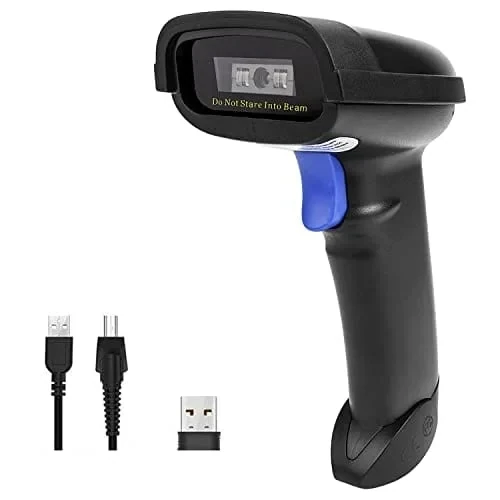
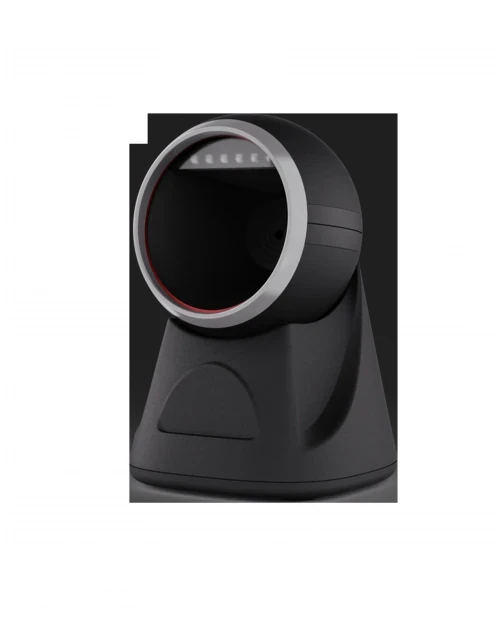
Barcode Scanners description
Barcode scanners are electronic devices used to read printed barcodes and convert the encoded information into a digital format. In Pakistan’s retail, warehousing, logistics and healthcare environments, these devices support inventory management, point-of-sale transactions, asset tracking and document processing. Models vary from simple handheld scanners to fixed-mount units and mobile computer hybrids. Their role is primarily to capture product or item identifiers quickly and accurately, enabling downstream software systems to process stock levels, pricing, shipment data and records. Implementation choices typically reflect operational scale, mobility needs and the types of barcodes used on labels or packaging.
About Barcode Scanners
Barcode scanners detect and decode patterns of bars, squares or dots printed on labels and tags. Traditionally designed for one-dimensional (1D) barcodes such as UPC or EAN, many contemporary devices also read two-dimensional (2D) codes like QR codes and Data Matrix, which can store more complex information in a compact area. Scanners interface with computers, cash registers and mobile devices to transmit decoded data for inventory systems, point-of-sale software and enterprise resource planning (ERP) applications. Selection and deployment reflect the scanning environment, required throughput and the physical form factor of the scanner.
Operational considerations include the scanning distance and angle, environmental conditions, label quality, and the need for mobile or fixed scanning points. Scanners are integrated into workflows ranging from single-register retail counters to automated production lines. They are one component within broader data capture and management setups that include label printers, inventory databases and networking infrastructure. In many contexts, compatibility with existing software and connectivity options influences procurement and installation decisions.
Common types, features and considerations
- Form factors: handheld wands and pistols for manual scanning, presentation scanners positioned at counters, fixed-mount readers for conveyor or kiosk use, and mobile computers that combine scanning with on-device data entry.
- Imaging technologies: laser/CCD devices traditionally used for 1D barcodes and imaging-based 2D scanners that capture a picture of the code for decoding; imaging scanners generally handle damaged or dense codes more effectively.
- Connectivity options: wired interfaces such as USB and serial connections for point-of-sale or workstation integration, and wireless options including Bluetooth and Wi‑Fi for mobile or distributed scanning tasks.
- Environmental and build qualities: enclosures made from durable plastics and reinforced housings for industrial use, varying ingress protection against dust and moisture, and designs that prioritize impact resistance or lightweight ergonomics for extended handheld operation.
- Power and mobility: battery-operated units for fieldwork and stocktaking versus mains-powered models for fixed locations; considerations include battery runtime, charging methods and standby behavior in continuous-use environments.
- Supported symbologies and decoding: capacity to read common 1D formats (e.g., UPC, EAN, Code 128) and 2D formats (e.g., QR, Data Matrix), with software configuration for specific code types and alphanumeric data extraction.
- Integration and software compatibility: driver and middleware support for operating systems and retail/warehouse management systems, configuration options for prefix/suffix handling, and firmware or SDK availability for custom application development.
FAQs
In how many brands related to Barcode Scanners available in Pakistan?
Right now, we have Barcode Scanners are available in 1 brand
What brands of Barcode Scanners are available at ShoppersStop.pk?
Currently, we have Barcode Scanners in stock from brand such as Imported from China
Where to buy Barcode Scanners with lowest price in Pakistan?
ShoppersStop.pk is known as best online store to buy Barcode Scanners in Pakistan with the most lowest prices and best quality.
Do you offer Barcode Scanners delivery in Pakistan?
Yes, We do offer Barcode Scanners items with fastest shipping in Pakistan. We not only deliver products in major cities of Pakistan, but if you are living in rural areas, we make sure you get your order on time.
Are the Barcode Scanners 100% authentic?
Absolutely. All our Barcode Scanners are 100% genuine and sourced from verified brands.
Do you offer any warranty on Barcode Scanners?
All Barcode Scanners products bought from us comes with 7 days check warranty. For further details, please visit our Refund and Return Policy