
Gadgets
Gadgets encompass a broad category of compact electronic devices and accessories designed to perform one or a small set of specific functions. Within Home & Living, gadgets typically combine portability, ease of use, and targeted utility to assist with everyday activities around the house, in transit, or in personal routines. They range from simple handheld items to small countertop units and may rely on battery power, USB power, or a mains connection via a power adapter. Common considerations for selection include interoperability with other devices, physical dimensions, power and charging options, expected frequency of use, and basic maintenance needs.
About Gadgets
In the Home & Living context, gadgets are distinguished from general-purpose computing platforms by their focused feature sets and simpler user interfaces. Many gadgets are designed to complement existing devices such as smartphones, home network equipment, or audio-visual systems, while others operate independently to provide a single utility. Product design priorities often emphasize compact form factor, intuitive controls, clear labeling, and durability appropriate for domestic use. In e-commerce presentation, gadgets are categorized to help consumers locate items by intended function, compatibility with other household items, and the typical environment where they will be used.
Product descriptions for gadgets typically include functional summaries, power and charging information, form factor descriptors, and notes on interface characteristics such as buttons, basic displays, or companion software. For markets with local considerations, listings may also reference regional power conventions, language options for user interfaces and documentation, and the local availability of replacement accessories or servicing. Effective listings present essential technical information, approximate dimensions, weight ranges, and any connectivity or platform requirements without implying suitability for professional or regulated use unless explicitly stated by the manufacturer.
Common product types, applications, and features
- Portable personal electronics: compact devices intended for single-user tasks such as audio playback, activity monitoring, or simple communication accessories. Typical attributes include emphasis on battery life, lightweight construction, and controls designed for one-handed operation.
- Home convenience gadgets: small tools and appliances that simplify routine household tasks, including items intended for food prep assistance, cleaning support, or organized storage. These products are often evaluated for ease of cleaning, user-replaceable parts, and operational safety in domestic settings.
- Connectivity accessories: components that extend or adapt connections among devices, such as cables, adapters, wireless link modules, or small hubs. Selection focuses on the interfaces supported, physical connector types, and compatibility with existing hardware in a home environment.
- Health and monitoring devices: consumer-facing gadgets that provide basic personal or environmental monitoring, for example tracking activity metrics or measuring ambient conditions. Descriptions should clarify intended use cases, data presentation methods, and whether companion applications are required for full functionality.
- Multimedia peripherals: accessories that support audio and visual tasks, including compact speakers, listening devices, mounting solutions, and simple recording tools. Considerations include ergonomic fit, mounting stability, and material choices that affect durability and handling.
- Power and charging solutions: portable power sources, charging stands, and cable assemblies designed to recharge or power other gadgets. Important attributes include expected capacity ranges, connector compatibility, cable durability, and recommended usage patterns for safe charging.
- Specialized utility gadgets: instruments and tools created for specific household or workshop tasks, such as measurement devices, repair aids, or compact organizers. These items are generally judged on precision appropriate to their intended tasks, storage convenience, and resistance to routine wear.
Showing all 9 results
-
Sale!
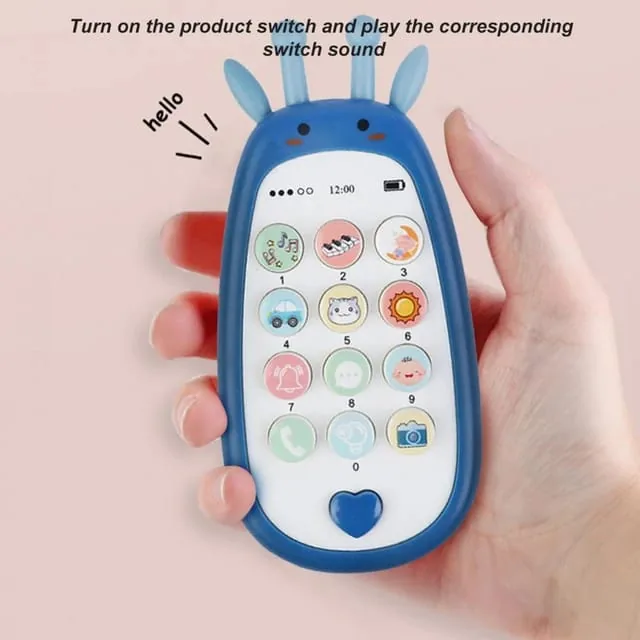
Baby Kids Music Mobile Toy Simulation Phone Model Lovely Shape with Light and Sound ABS Kids Simulation Phone Model
Original price was: ₨ 880.₨ 688Current price is: ₨ 688. Add to cart -
Sale!
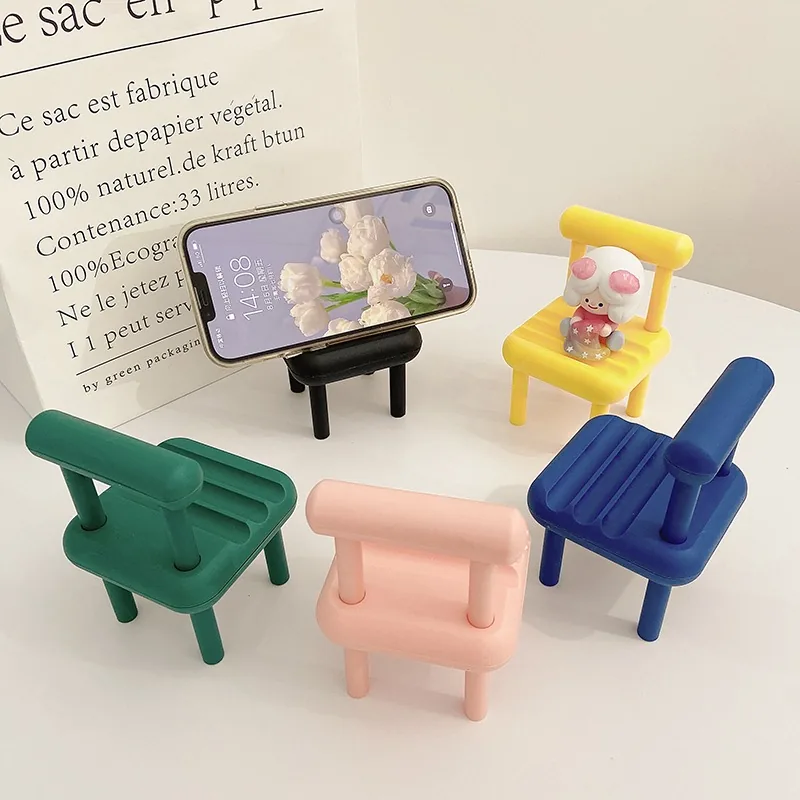
Creative Chair Mobile Phone Bracket Desktop Chair Stand Three-Gear Adjustment Lazy Bracket Foldable Portable Mini Phone Holde
Original price was: ₨ 320.₨ 250Current price is: ₨ 250. Add to cart -
Sale!
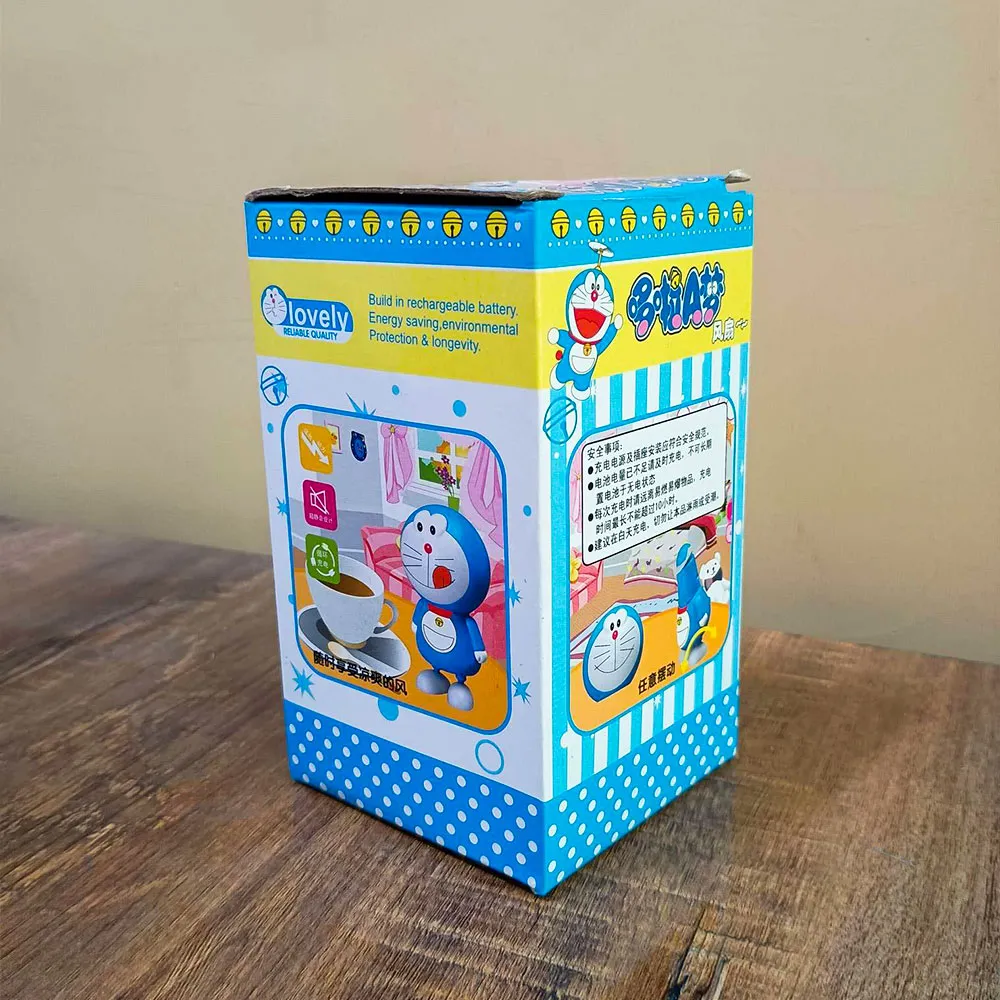
Doremon Blue Kids Rechargeable Fan
Original price was: ₨ 710.₨ 498Current price is: ₨ 498. Add to cart -
Sale!
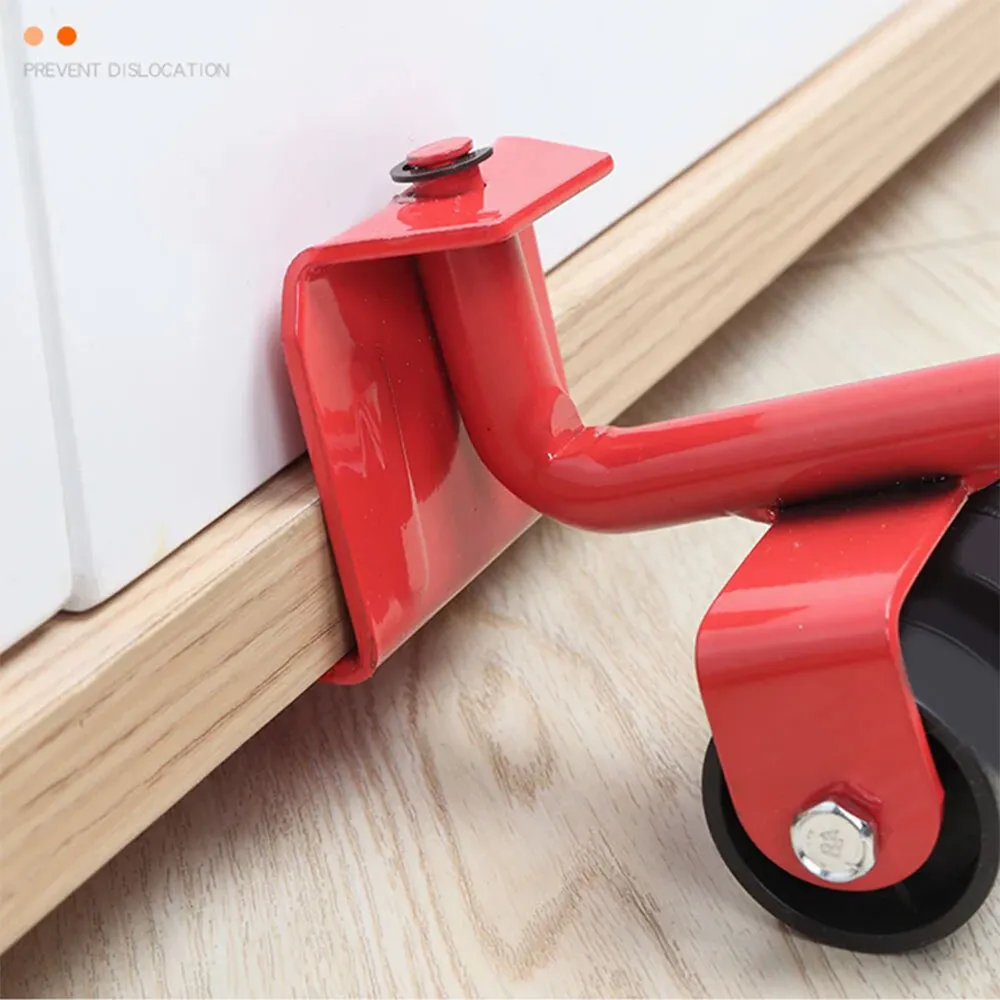
Moving Helper
Original price was: ₨ 2,090.₨ 1,467Current price is: ₨ 1,467. Add to cart -
Sale!
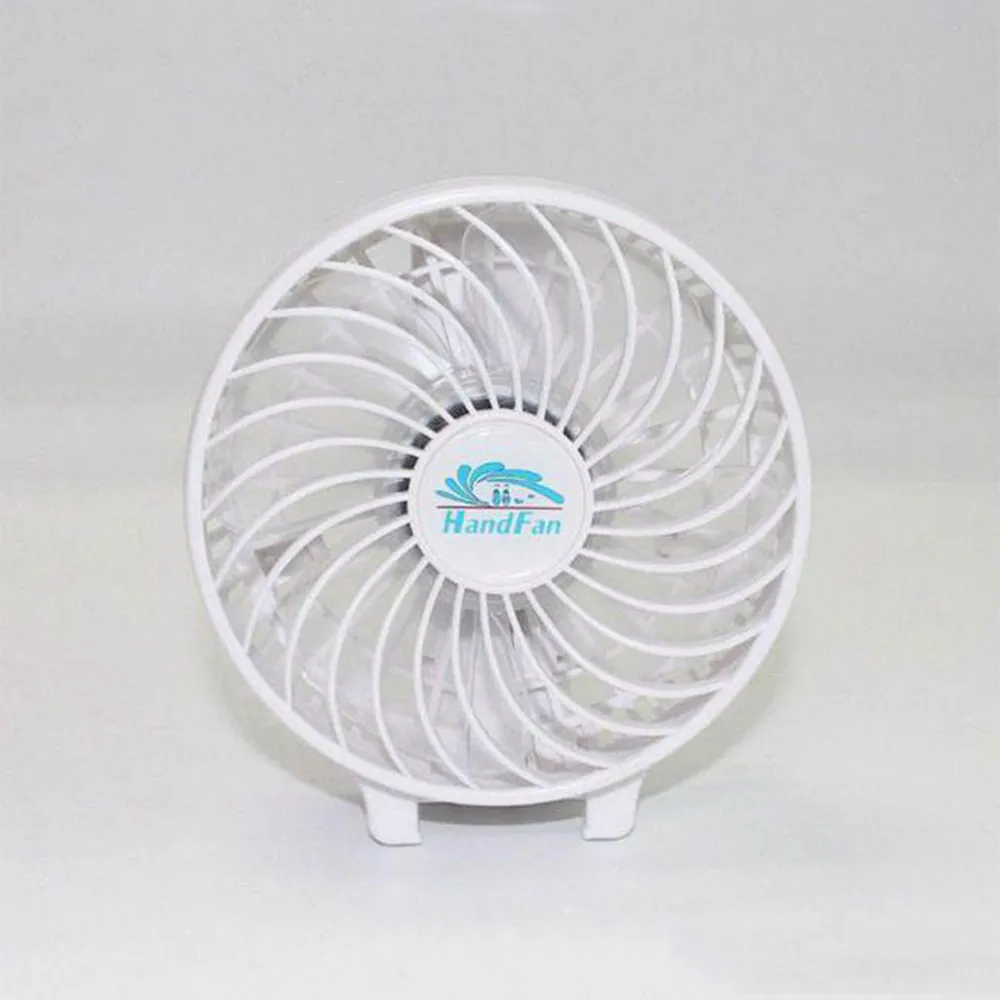
Multifunctional Rechargeable Fan (White)
Original price was: ₨ 912.₨ 640Current price is: ₨ 640. Add to cart -
Sale!
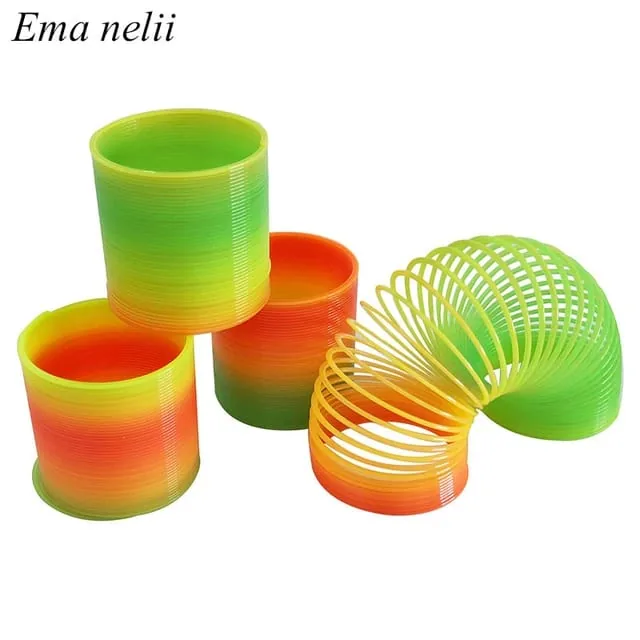
Rainbow Circle Funny Toys Folding Plastic Spring Coil Magical Toys
Original price was: ₨ 96.₨ 75Current price is: ₨ 75. Add to cart -
Sale!

Random Color Liquid Dish Washing Automatic Liquid Addition Cleaner Sink 2 In1Cleaning Brush Handheld Clean Scrubber Kitchen Tool
Original price was: ₨ 192.₨ 150Current price is: ₨ 150. Add to cart -
Sale!
 Out of Stock
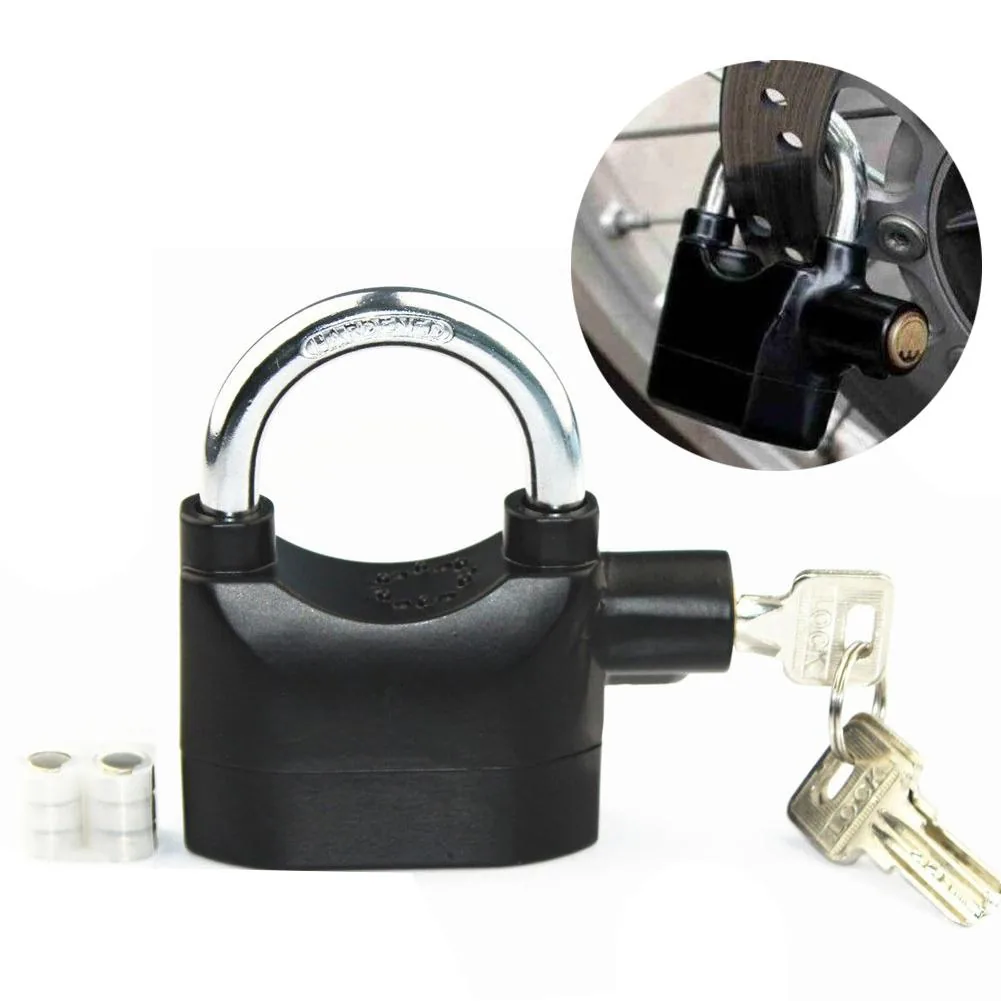
Siren Alarm Anti-theft Lock
Original price was: ₨ 1,520.₨ 1,188Current price is: ₨ 1,188. Read more -
Sale!
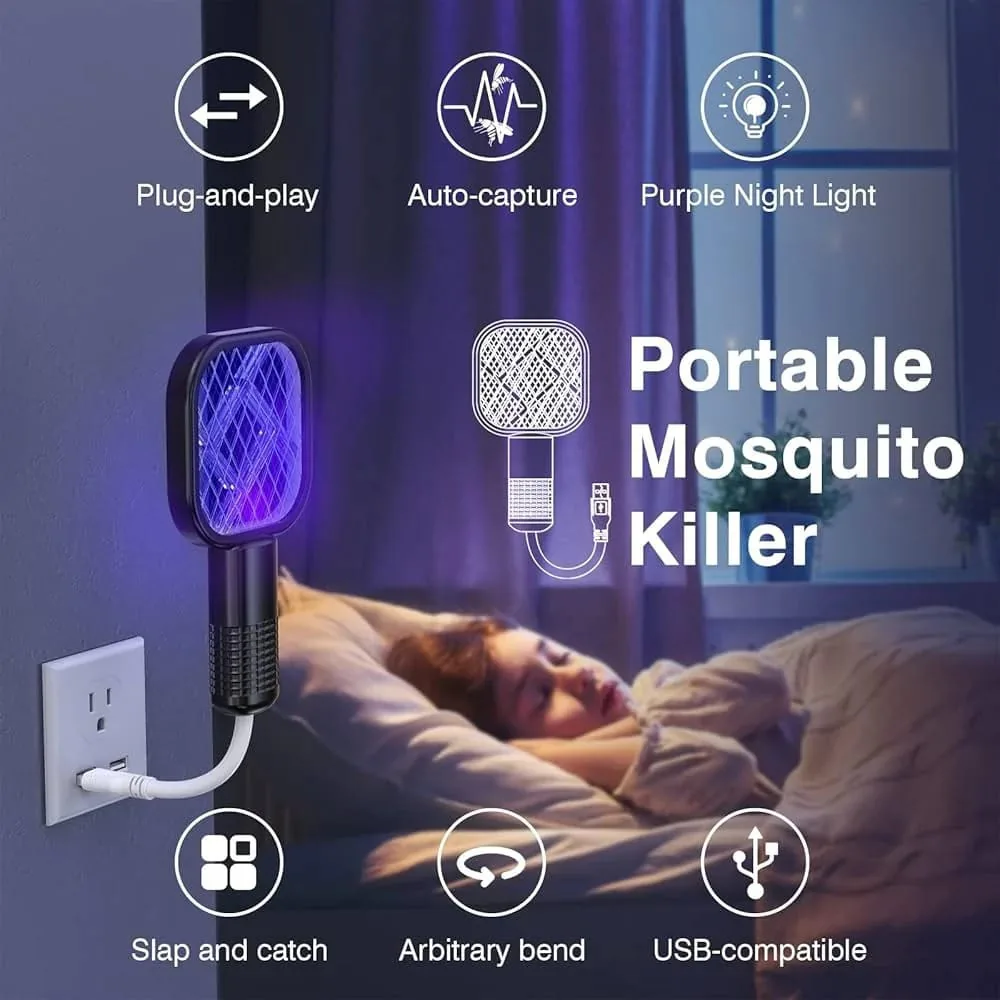
USB Mini Electric Mosquito Racket Swatter UV Light Fly Bug Zapper Insect Racket Rechargeable Summer Fly Swatters Trap For Home Outdoor
Original price was: ₨ 1,360.₨ 1,063Current price is: ₨ 1,063. Add to cart
Gadgets description
Gadgets encompass a broad category of compact electronic devices and accessories designed to perform one or a small set of specific functions. Within Home & Living, gadgets typically combine portability, ease of use, and targeted utility to assist with everyday activities around the house, in transit, or in personal routines. They range from simple handheld items to small countertop units and may rely on battery power, USB power, or a mains connection via a power adapter. Common considerations for selection include interoperability with other devices, physical dimensions, power and charging options, expected frequency of use, and basic maintenance needs.
About Gadgets
In the Home & Living context, gadgets are distinguished from general-purpose computing platforms by their focused feature sets and simpler user interfaces. Many gadgets are designed to complement existing devices such as smartphones, home network equipment, or audio-visual systems, while others operate independently to provide a single utility. Product design priorities often emphasize compact form factor, intuitive controls, clear labeling, and durability appropriate for domestic use. In e-commerce presentation, gadgets are categorized to help consumers locate items by intended function, compatibility with other household items, and the typical environment where they will be used.
Product descriptions for gadgets typically include functional summaries, power and charging information, form factor descriptors, and notes on interface characteristics such as buttons, basic displays, or companion software. For markets with local considerations, listings may also reference regional power conventions, language options for user interfaces and documentation, and the local availability of replacement accessories or servicing. Effective listings present essential technical information, approximate dimensions, weight ranges, and any connectivity or platform requirements without implying suitability for professional or regulated use unless explicitly stated by the manufacturer.
Common product types, applications, and features
- Portable personal electronics: compact devices intended for single-user tasks such as audio playback, activity monitoring, or simple communication accessories. Typical attributes include emphasis on battery life, lightweight construction, and controls designed for one-handed operation.
- Home convenience gadgets: small tools and appliances that simplify routine household tasks, including items intended for food prep assistance, cleaning support, or organized storage. These products are often evaluated for ease of cleaning, user-replaceable parts, and operational safety in domestic settings.
- Connectivity accessories: components that extend or adapt connections among devices, such as cables, adapters, wireless link modules, or small hubs. Selection focuses on the interfaces supported, physical connector types, and compatibility with existing hardware in a home environment.
- Health and monitoring devices: consumer-facing gadgets that provide basic personal or environmental monitoring, for example tracking activity metrics or measuring ambient conditions. Descriptions should clarify intended use cases, data presentation methods, and whether companion applications are required for full functionality.
- Multimedia peripherals: accessories that support audio and visual tasks, including compact speakers, listening devices, mounting solutions, and simple recording tools. Considerations include ergonomic fit, mounting stability, and material choices that affect durability and handling.
- Power and charging solutions: portable power sources, charging stands, and cable assemblies designed to recharge or power other gadgets. Important attributes include expected capacity ranges, connector compatibility, cable durability, and recommended usage patterns for safe charging.
- Specialized utility gadgets: instruments and tools created for specific household or workshop tasks, such as measurement devices, repair aids, or compact organizers. These items are generally judged on precision appropriate to their intended tasks, storage convenience, and resistance to routine wear.
FAQs
In how many brands related to Gadgets available in Pakistan?
Right now, we have Gadgets are available in 1 brand
What brands of Gadgets are available at ShoppersStop.pk?
Currently, we have Gadgets in stock from brand such as As Seen on TV
Where to buy Gadgets with lowest price in Pakistan?
ShoppersStop.pk is known as best online store to buy Gadgets in Pakistan with the most lowest prices and best quality.
Do you offer Gadgets delivery in Pakistan?
Yes, We do offer Gadgets items with fastest shipping in Pakistan. We not only deliver products in major cities of Pakistan, but if you are living in rural areas, we make sure you get your order on time.
Are the Gadgets 100% authentic?
Absolutely. All our Gadgets are 100% genuine and sourced from verified brands.
Do you offer any warranty on Gadgets?
All Gadgets products bought from us comes with 7 days check warranty. For further details, please visit our Refund and Return Policy