
Home Theatres
Home Theatres
Home theatres encompass integrated audio-visual systems and associated furniture designed to create an immersive media experience within residential environments. These installations bring together display devices, sound reproduction components, source players and user interfaces to present video and audio content with improved clarity, dynamic range and spatial presentation compared with basic consumer setups. Selection and implementation are influenced by room geometry, furnishing, lighting, acoustic treatment, wiring access and budgetary constraints.
Context and purpose
The primary aim of a home theatre is to coordinate equipment and room characteristics so that speech intelligibility, musical detail, dynamic contrasts and spatial cues are rendered in a controlled and predictable manner. Configurations are chosen to suit viewing habits and room function, whether a multi-purpose living area, a dedicated media room or a compact apartment space. Considerations include seating capacity, viewing angles, screen size in relation to distance, and acceptable levels of ambient light.
Components and configuration
Typical component groups include a display device or projection system, a set of loudspeakers, one or more bass extension units, amplification and signal processing, source devices such as disc players or streaming clients, and a user interface for control. Systems can be arranged as single-piece soundbar solutions that integrate many functions, or as modular systems with separate electronics and speaker enclosures. Speaker layouts and channel counts vary according to desired spatial rendering and available space.
Acoustics and room interaction
Room acoustics have a substantial effect on perceived sound quality. Reflective surfaces, room dimensions, furniture, floor coverings and window treatments influence reverberation, early reflections and bass behavior. Acoustic treatments, speaker placement and listening position are adjusted to manage these interactions. Even modest alterations in speaker orientation or listening distance can alter imaging and tonal balance, so planning and measurement inform placement decisions.
Display and viewing considerations
Display selection involves trade-offs among screen size, resolution, brightness, contrast and viewing geometry. Projector systems introduce considerations about screen gain, projector placement and room lighting control, while flat-panel displays emphasize bezel size, mounting options and viewing height. Seating layout and sightlines are planned to minimize glare and ensure comfortable viewing for the intended audience size.
Connectivity and integration
Home theatre systems use a range of wired and wireless interfaces to carry audio, video and control signals. Cable routing, connector types and source compatibility are part of integration planning. Control options include dedicated remotes, centralized control systems and mobile applications. Integration with distributed audio or whole-home control systems may be considered when a broader household audio or automation strategy is desired.
Installation approaches and maintenance
Installation methods range from user-assembled, consumer-grade setups to professionally installed systems that address cable concealment, speaker mounting and acoustic treatment. In-wall and in-ceiling speaker installations provide a discreet aesthetic and different acoustic coupling compared with freestanding speaker enclosures. Ongoing maintenance typically includes cleaning, firmware updates for networked components, cable inspections and occasional recalibration of processing settings to adapt to changes in the room or components.
Decision factors
- Room purpose and available space, which determine layout and component scale.
- Acoustic characteristics and potential for treatment to control reflections and bass behavior.
- Desired display type and viewing distance relative to screen size.
- Required connectivity and compatibility with existing media sources and networks.
- Aesthetic preferences and installation impact, including visible speakers versus concealed installations.
- Maintenance requirements and access for adjustments or service.
Showing the single result
-
Sale!
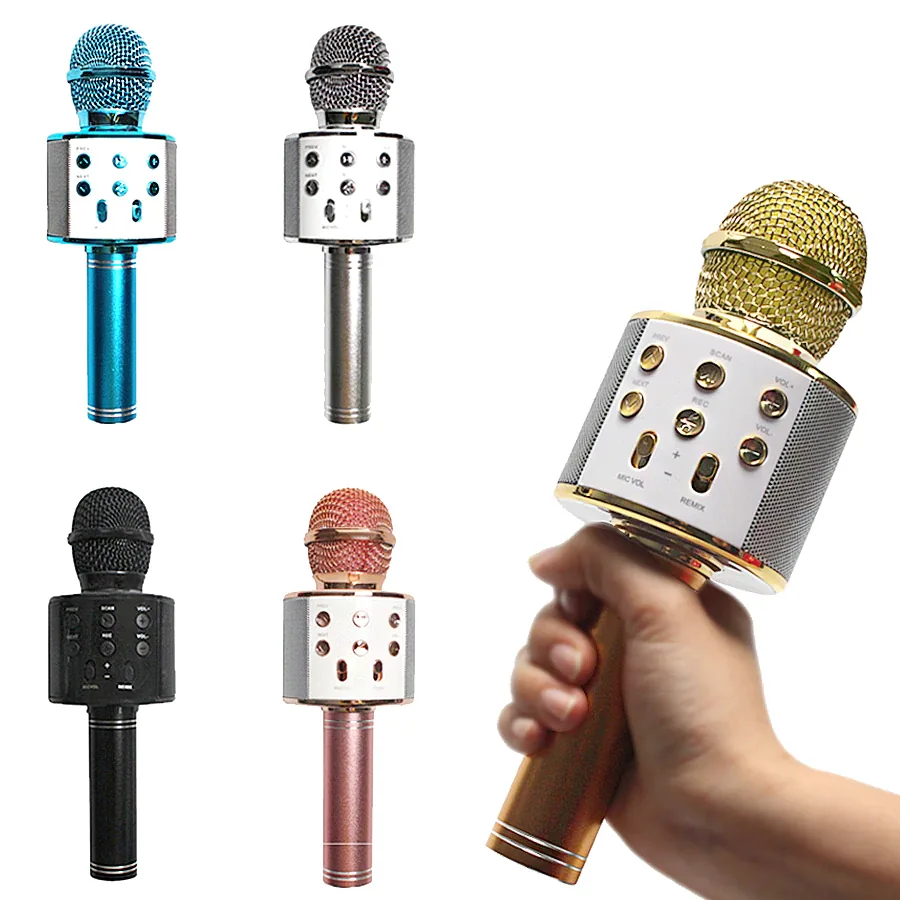
WS-858 Bluetooth Wireless Microphone Speaker
Original price was: ₨ 1,680.₨ 1,313Current price is: ₨ 1,313. Add to cart
Home Theatres description
Home Theatres
Home theatres encompass integrated audio-visual systems and associated furniture designed to create an immersive media experience within residential environments. These installations bring together display devices, sound reproduction components, source players and user interfaces to present video and audio content with improved clarity, dynamic range and spatial presentation compared with basic consumer setups. Selection and implementation are influenced by room geometry, furnishing, lighting, acoustic treatment, wiring access and budgetary constraints.
Context and purpose
The primary aim of a home theatre is to coordinate equipment and room characteristics so that speech intelligibility, musical detail, dynamic contrasts and spatial cues are rendered in a controlled and predictable manner. Configurations are chosen to suit viewing habits and room function, whether a multi-purpose living area, a dedicated media room or a compact apartment space. Considerations include seating capacity, viewing angles, screen size in relation to distance, and acceptable levels of ambient light.
Components and configuration
Typical component groups include a display device or projection system, a set of loudspeakers, one or more bass extension units, amplification and signal processing, source devices such as disc players or streaming clients, and a user interface for control. Systems can be arranged as single-piece soundbar solutions that integrate many functions, or as modular systems with separate electronics and speaker enclosures. Speaker layouts and channel counts vary according to desired spatial rendering and available space.
Acoustics and room interaction
Room acoustics have a substantial effect on perceived sound quality. Reflective surfaces, room dimensions, furniture, floor coverings and window treatments influence reverberation, early reflections and bass behavior. Acoustic treatments, speaker placement and listening position are adjusted to manage these interactions. Even modest alterations in speaker orientation or listening distance can alter imaging and tonal balance, so planning and measurement inform placement decisions.
Display and viewing considerations
Display selection involves trade-offs among screen size, resolution, brightness, contrast and viewing geometry. Projector systems introduce considerations about screen gain, projector placement and room lighting control, while flat-panel displays emphasize bezel size, mounting options and viewing height. Seating layout and sightlines are planned to minimize glare and ensure comfortable viewing for the intended audience size.
Connectivity and integration
Home theatre systems use a range of wired and wireless interfaces to carry audio, video and control signals. Cable routing, connector types and source compatibility are part of integration planning. Control options include dedicated remotes, centralized control systems and mobile applications. Integration with distributed audio or whole-home control systems may be considered when a broader household audio or automation strategy is desired.
Installation approaches and maintenance
Installation methods range from user-assembled, consumer-grade setups to professionally installed systems that address cable concealment, speaker mounting and acoustic treatment. In-wall and in-ceiling speaker installations provide a discreet aesthetic and different acoustic coupling compared with freestanding speaker enclosures. Ongoing maintenance typically includes cleaning, firmware updates for networked components, cable inspections and occasional recalibration of processing settings to adapt to changes in the room or components.
Decision factors
- Room purpose and available space, which determine layout and component scale.
- Acoustic characteristics and potential for treatment to control reflections and bass behavior.
- Desired display type and viewing distance relative to screen size.
- Required connectivity and compatibility with existing media sources and networks.
- Aesthetic preferences and installation impact, including visible speakers versus concealed installations.
- Maintenance requirements and access for adjustments or service.
FAQs
In how many brands related to Home Theatres available in Pakistan?
Right now, we have Home Theatres are available in 1 brand
What brands of Home Theatres are available at ShoppersStop.pk?
Currently, we have Home Theatres in stock from brand such as As Seen on TV
Where to buy Home Theatres with lowest price in Pakistan?
ShoppersStop.pk is known as best online store to buy Home Theatres in Pakistan with the most lowest prices and best quality.
Do you offer Home Theatres delivery in Pakistan?
Yes, We do offer Home Theatres items with fastest shipping in Pakistan. We not only deliver products in major cities of Pakistan, but if you are living in rural areas, we make sure you get your order on time.
Are the Home Theatres 100% authentic?
Absolutely. All our Home Theatres are 100% genuine and sourced from verified brands.
Do you offer any warranty on Home Theatres?
All Home Theatres products bought from us comes with 7 days check warranty. For further details, please visit our Refund and Return Policy