
Microphones
Microphones convert acoustic sound into electrical signals for recording, amplification, broadcasting and communication. In retail and catalog contexts they are presented as distinct product types with varying form factors, connectivity options and intended uses, from simple computer headsets to studio-oriented side-address condenser designs. Product listings typically include information on directional characteristics, connection interfaces, portability and available mounting accessories. For buyers and technicians, key distinctions involve the environment of use (live stage, studio, field recording, conferencing), compatibility with existing audio equipment, and power or impedance considerations. Technical specifications, accessory compatibility and recommended operating conditions are commonly referenced in descriptions to help match a device to a task.
About Microphones
Microphones are transducers that convert pressure variations in air into corresponding electrical waveforms. Different microphone architectures and internal components influence sensitivity, frequency response and directional behavior, which in turn affect how a microphone captures voice, instruments and ambient sound. Design choices such as capsule type, internal electronics and housing shape contribute to the overall acoustic characteristics and practical handling of the device.
In product catalogs, microphones are typically organized by type, intended application and connection method. Descriptions often indicate whether the device requires external power, whether mounting hardware or protective accessories are included, and the nature of the output connector or interface. Information about durability, serviceability and recommended maintenance is frequently provided for items intended for touring, field recording or prolonged professional use. Compatibility notes address how a microphone integrates with mixers, preamplifiers, audio interfaces and wireless systems without asserting performance claims beyond the stated specifications.
Common product types, applications and features
- Dynamic microphones: These designs use a moving coil or similar mechanical mechanism and are commonly used for live sound and general-purpose applications. They are generally noted for mechanical robustness and resistance to high sound-pressure levels, which can make them appropriate for stage use and close-up instrument capture.
- Condenser microphones: Condenser or capacitor-style microphones employ a diaphragm and backplate arrangement and typically offer higher sensitivity and extended frequency response characteristics compared with some other designs. Product descriptions usually indicate the power requirements and any intended studio or broadcast applications.
- USB and digital-interface microphones: These units integrate analog-to-digital conversion and provide a digital output for direct connection to computers, mobile devices or recording equipment. Listings commonly specify interface type, driver or platform compatibility notes, and whether on-device controls are present for gain and monitoring.
- Shotgun and lavalier types: Shotgun microphones use a long interference tube to emphasize sound from a specific direction and are often used in location recording, film and broadcast. Lavalier microphones are compact, clip-on designs intended for hands-free voice capture in interview, presentation and theatrical contexts; product entries note mounting accessories and typical placement considerations.
- Polar pattern considerations: Descriptions typically mention directional responses such as omnidirectional, cardioid, supercardioid, figure-eight and switchable patterns. These indicators describe how a microphone responds to sound arriving from different directions and help inform placement, isolation and multi-source recording decisions.
- Connectivity and mounting: Product entries commonly note connector types, interface compatibility and included mounting options such as stands, clips, shock mounts or mounts for cameras and booms. Information about available accessory packages and typical integration with studio or live rigs is provided to clarify installation and workflow expectations.
- Build materials and environmental considerations: Catalog descriptions often reference body materials, grille construction and finishes that relate to handling, durability and resistance to environmental factors. Weight, dimensions and recommended storage or transport measures are typically listed to assist with portability and deployment planning.
Showing all 6 results
-
Sale!
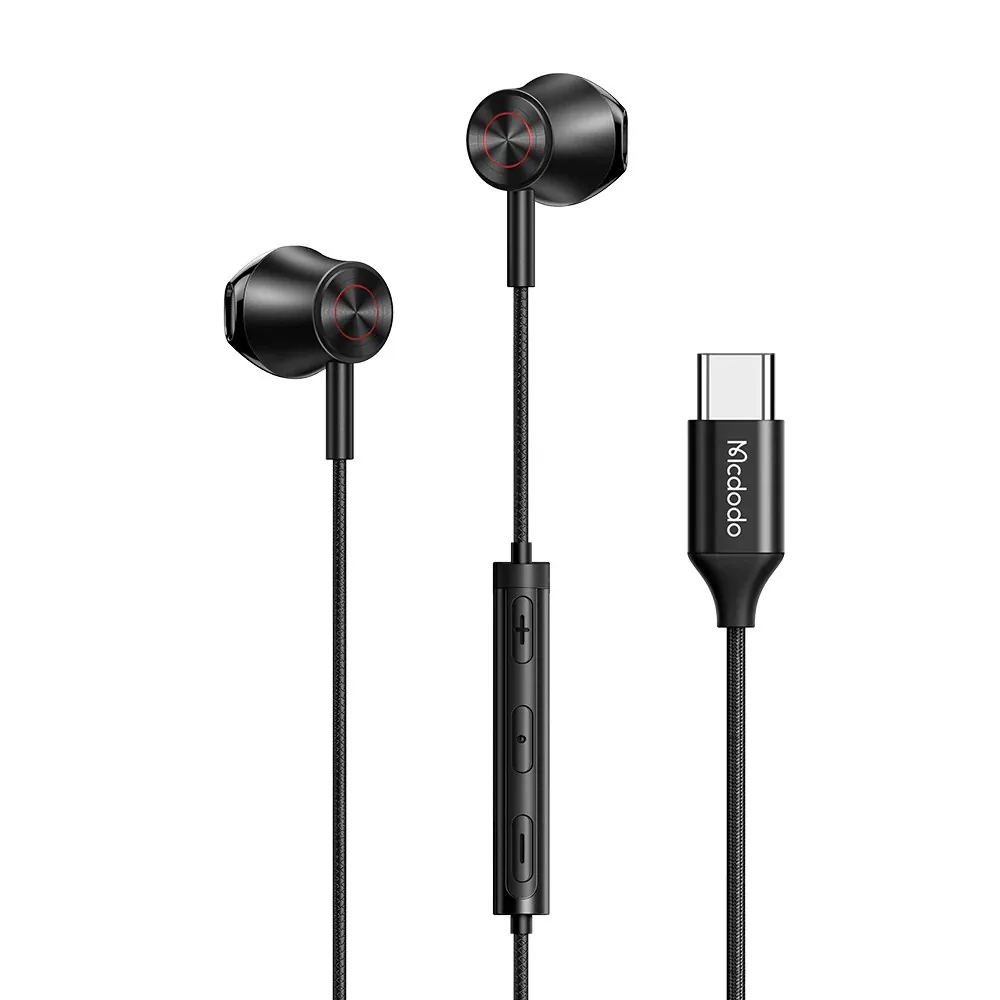
MCDODO Type-C Stereo Sound Wired Earphone HD Call Microphone Headphone HP-4070
Original price was: ₨ 5,250.₨ 3,402Current price is: ₨ 3,402. Add to cart -
Sale!
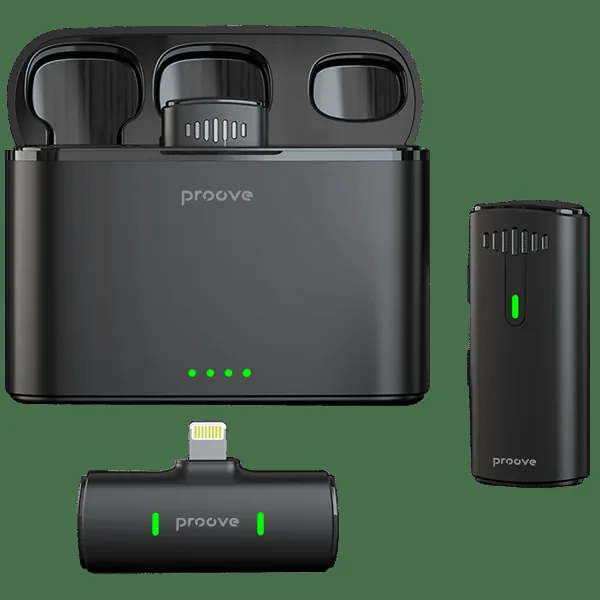
Proove Wireless Microphone Demo Lightning
Original price was: ₨ 14,250.₨ 9,402Current price is: ₨ 9,402. Add to cart -
Sale!

Proove Wireless Microphone Record Type-C
Original price was: ₨ 14,250.₨ 9,402Current price is: ₨ 9,402. Add to cart -
Sale!
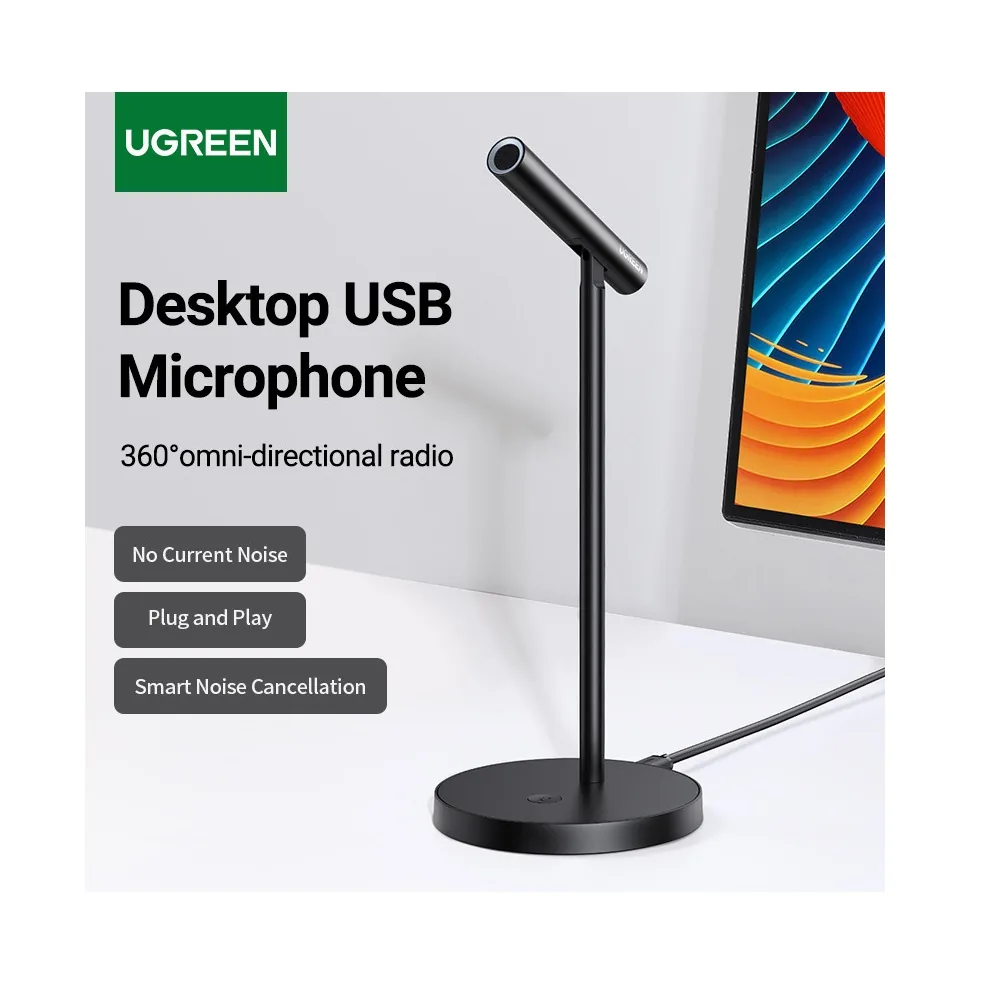
UGREEN USB DESKTOP MICROPHONE 10934
Original price was: ₨ 12,450.₨ 8,242Current price is: ₨ 8,242. Add to cart -
Sale!
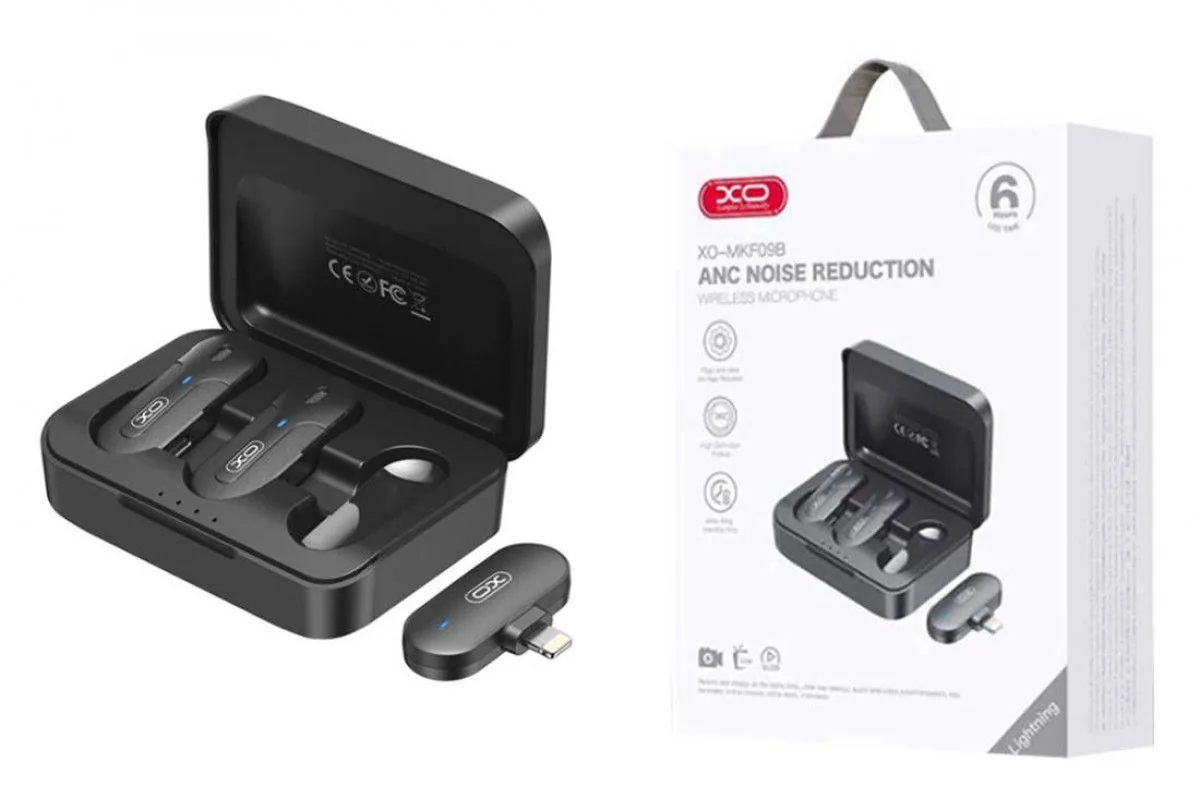
XO Lightning Dual Wireless Collar Mic MKF09B
Original price was: ₨ 9,450.₨ 6,242Current price is: ₨ 6,242. Add to cart -
Sale!
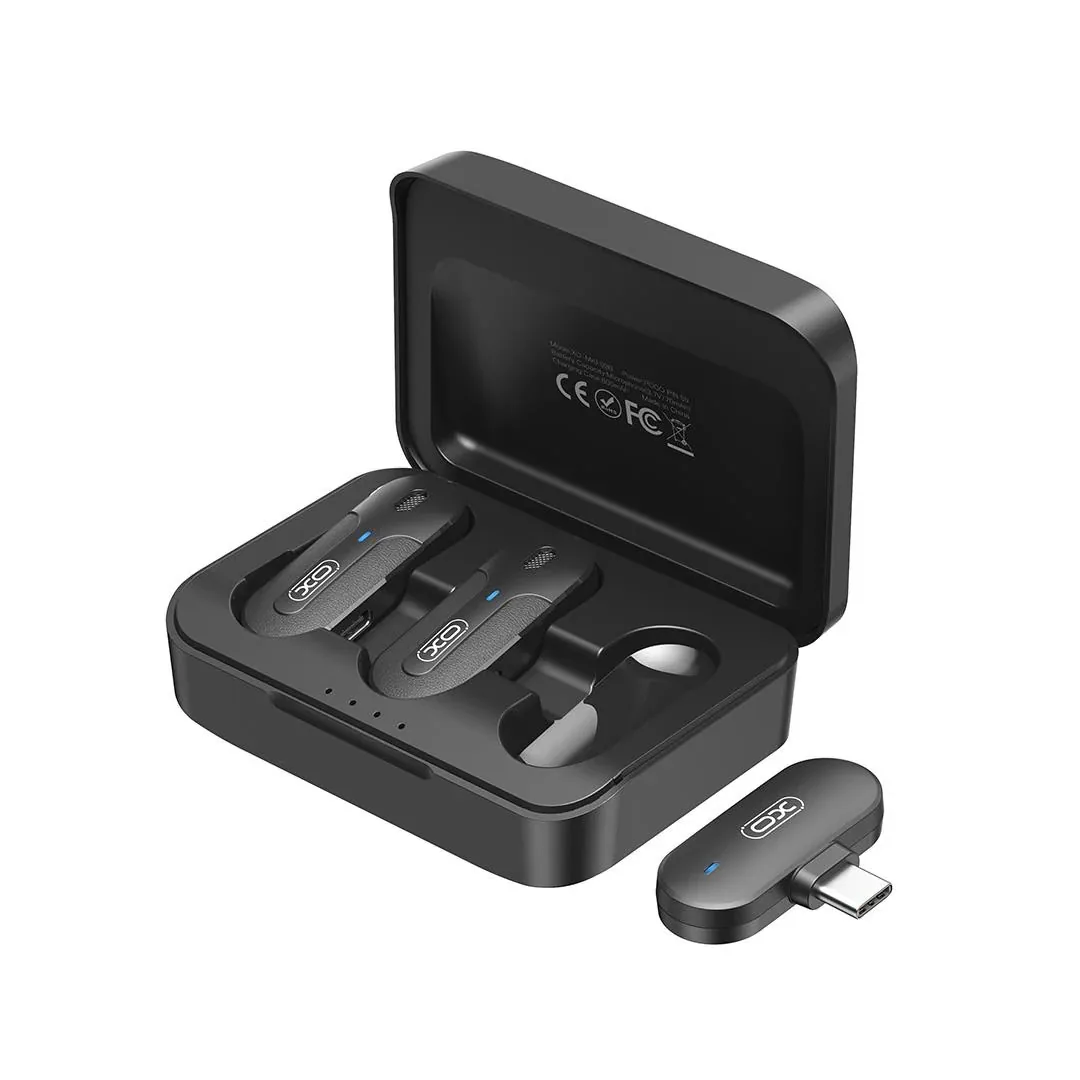
XO Type C Dual Wireless Collar Mic MKF09A
Original price was: ₨ 9,450.₨ 6,242Current price is: ₨ 6,242. Add to cart
Microphones description
Microphones convert acoustic sound into electrical signals for recording, amplification, broadcasting and communication. In retail and catalog contexts they are presented as distinct product types with varying form factors, connectivity options and intended uses, from simple computer headsets to studio-oriented side-address condenser designs. Product listings typically include information on directional characteristics, connection interfaces, portability and available mounting accessories. For buyers and technicians, key distinctions involve the environment of use (live stage, studio, field recording, conferencing), compatibility with existing audio equipment, and power or impedance considerations. Technical specifications, accessory compatibility and recommended operating conditions are commonly referenced in descriptions to help match a device to a task.
About Microphones
Microphones are transducers that convert pressure variations in air into corresponding electrical waveforms. Different microphone architectures and internal components influence sensitivity, frequency response and directional behavior, which in turn affect how a microphone captures voice, instruments and ambient sound. Design choices such as capsule type, internal electronics and housing shape contribute to the overall acoustic characteristics and practical handling of the device.
In product catalogs, microphones are typically organized by type, intended application and connection method. Descriptions often indicate whether the device requires external power, whether mounting hardware or protective accessories are included, and the nature of the output connector or interface. Information about durability, serviceability and recommended maintenance is frequently provided for items intended for touring, field recording or prolonged professional use. Compatibility notes address how a microphone integrates with mixers, preamplifiers, audio interfaces and wireless systems without asserting performance claims beyond the stated specifications.
Common product types, applications and features
- Dynamic microphones: These designs use a moving coil or similar mechanical mechanism and are commonly used for live sound and general-purpose applications. They are generally noted for mechanical robustness and resistance to high sound-pressure levels, which can make them appropriate for stage use and close-up instrument capture.
- Condenser microphones: Condenser or capacitor-style microphones employ a diaphragm and backplate arrangement and typically offer higher sensitivity and extended frequency response characteristics compared with some other designs. Product descriptions usually indicate the power requirements and any intended studio or broadcast applications.
- USB and digital-interface microphones: These units integrate analog-to-digital conversion and provide a digital output for direct connection to computers, mobile devices or recording equipment. Listings commonly specify interface type, driver or platform compatibility notes, and whether on-device controls are present for gain and monitoring.
- Shotgun and lavalier types: Shotgun microphones use a long interference tube to emphasize sound from a specific direction and are often used in location recording, film and broadcast. Lavalier microphones are compact, clip-on designs intended for hands-free voice capture in interview, presentation and theatrical contexts; product entries note mounting accessories and typical placement considerations.
- Polar pattern considerations: Descriptions typically mention directional responses such as omnidirectional, cardioid, supercardioid, figure-eight and switchable patterns. These indicators describe how a microphone responds to sound arriving from different directions and help inform placement, isolation and multi-source recording decisions.
- Connectivity and mounting: Product entries commonly note connector types, interface compatibility and included mounting options such as stands, clips, shock mounts or mounts for cameras and booms. Information about available accessory packages and typical integration with studio or live rigs is provided to clarify installation and workflow expectations.
- Build materials and environmental considerations: Catalog descriptions often reference body materials, grille construction and finishes that relate to handling, durability and resistance to environmental factors. Weight, dimensions and recommended storage or transport measures are typically listed to assist with portability and deployment planning.
FAQs
In how many brands related to Microphones available in Pakistan?
Right now, we have Microphones are available in 4 brands
What brands of Microphones are available at ShoppersStop.pk?
Where to buy Microphones with lowest price in Pakistan?
ShoppersStop.pk is known as best online store to buy Microphones in Pakistan with the most lowest prices and best quality.
Do you offer Microphones delivery in Pakistan?
Yes, We do offer Microphones items with fastest shipping in Pakistan. We not only deliver products in major cities of Pakistan, but if you are living in rural areas, we make sure you get your order on time.
Are the Microphones 100% authentic?
Absolutely. All our Microphones are 100% genuine and sourced from verified brands.
Do you offer any warranty on Microphones?
All Microphones products bought from us comes with 7 days check warranty. For further details, please visit our Refund and Return Policy