
Wired Microphones
Wired microphones are audio transducers that convert sound waves into electrical signals and transmit those signals through a physical cable to an amplifier, mixer, recorder, or other audio equipment. Common in live sound, studio recording, broadcasting and field work, wired microphones use connectors such as XLR, TRS or other legacy plugs to establish a direct electrical link. Their operation depends on internal components — including the diaphragm, capsule, and electronic circuitry — and on external factors such as cable quality and connector type. In many professional and consumer settings in Pakistan, wired mics are chosen for their straightforward signal path and predictable behavior in controlled environments.
About Wired Microphones
Wired microphones are available in several construction styles and with varying internal technologies. They may be passive devices that rely on electromagnetic induction or active devices that require power for internal preamplification. The physical design influences performance characteristics such as sensitivity, transient response, and durability. In application contexts where interference management or cable length is a consideration, wired connections provide a fixed signal route that can be tested and shielded to reduce noise.
Technical attributes commonly discussed for wired microphones include polar pattern, frequency response, output impedance, and signal-to-noise ratio. Polar pattern describes the directional sensitivity of the microphone capsule, while frequency response indicates how the device reproduces different audio frequencies. Output impedance affects compatibility with preamps and mixers. These attributes interact with room acoustics, placement, and downstream processing to determine overall audio results.
Common types, applications and features
- Dynamic and condenser elements: Two primary internal technologies are dynamic (moving-coil) and condenser (capacitor) designs. Dynamic microphones are often robust and handle high sound pressure levels, while condenser microphones typically require a power source and are noted for their sensitivity and transient detail.
- Polar patterns and directionality: Typical polar patterns include omnidirectional, cardioid, supercardioid, and figure-8. Each pattern shapes how the microphone captures on-axis sound versus off-axis and ambient sources, which affects placement and rejection of unwanted noise.
- Connector and cable types: Standard wired connections use balanced XLR cables to reduce electromagnetic interference; some units use TRS or other connectors for compatibility with consumer gear. Cable construction, shielding and connector quality contribute to signal integrity and long-term reliability.
- Build materials and mechanical design: Housings are commonly metal or high-strength composite to withstand handling and stage use; grille design and internal shock mounting mitigate plosives and handling noise. Rugged mechanical construction supports repeated setup and transport.
- Impedance and signal compatibility: Microphones are specified with nominal output impedance values that influence matching with preamplifiers. Low-impedance designs are typical in professional contexts to maintain signal quality over longer cable runs.
- Use-cases and placement considerations: Wired microphones are used for vocal and instrument capture, broadcast and podcast applications, field interviews, and stage reinforcement. Placement relative to the sound source, room acoustics and use of stands or mounts affect captured tone and clarity.
- Maintenance, accessories and system integration: Regular inspection of cables and connectors, grille cleaning and capsule care help maintain performance. Accessories include windscreens, mounts, clips, and pop filters; integration with mixers, preamps and processors determines the complete signal chain behavior.
Showing all 4 results
-
Sale!
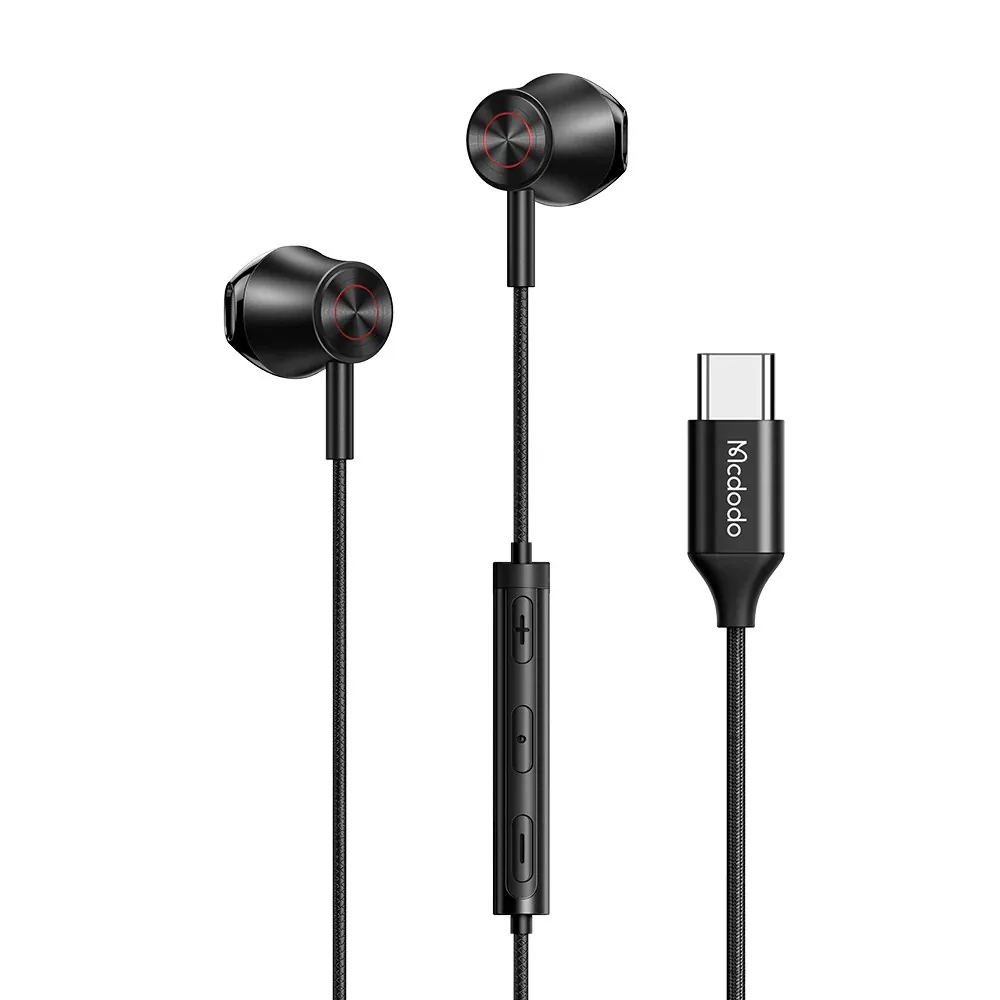
MCDODO Type-C Stereo Sound Wired Earphone HD Call Microphone Headphone HP-4070
Original price was: ₨ 5,250.₨ 3,402Current price is: ₨ 3,402. Add to cart -
Sale!
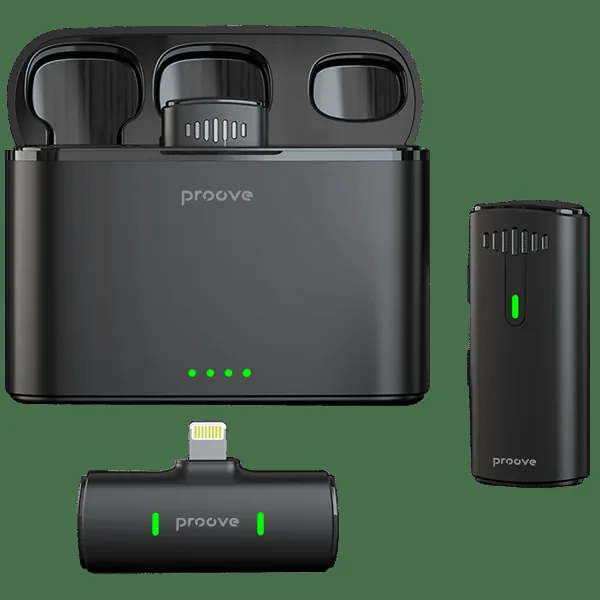
Proove Wireless Microphone Demo Lightning
Original price was: ₨ 14,250.₨ 9,402Current price is: ₨ 9,402. Add to cart -
Sale!

Proove Wireless Microphone Record Type-C
Original price was: ₨ 14,250.₨ 9,402Current price is: ₨ 9,402. Add to cart -
Sale!

UGREEN USB DESKTOP MICROPHONE 10934
Original price was: ₨ 12,450.₨ 8,242Current price is: ₨ 8,242. Add to cart
Wired Microphones description
Wired microphones are audio transducers that convert sound waves into electrical signals and transmit those signals through a physical cable to an amplifier, mixer, recorder, or other audio equipment. Common in live sound, studio recording, broadcasting and field work, wired microphones use connectors such as XLR, TRS or other legacy plugs to establish a direct electrical link. Their operation depends on internal components — including the diaphragm, capsule, and electronic circuitry — and on external factors such as cable quality and connector type. In many professional and consumer settings in Pakistan, wired mics are chosen for their straightforward signal path and predictable behavior in controlled environments.
About Wired Microphones
Wired microphones are available in several construction styles and with varying internal technologies. They may be passive devices that rely on electromagnetic induction or active devices that require power for internal preamplification. The physical design influences performance characteristics such as sensitivity, transient response, and durability. In application contexts where interference management or cable length is a consideration, wired connections provide a fixed signal route that can be tested and shielded to reduce noise.
Technical attributes commonly discussed for wired microphones include polar pattern, frequency response, output impedance, and signal-to-noise ratio. Polar pattern describes the directional sensitivity of the microphone capsule, while frequency response indicates how the device reproduces different audio frequencies. Output impedance affects compatibility with preamps and mixers. These attributes interact with room acoustics, placement, and downstream processing to determine overall audio results.
Common types, applications and features
- Dynamic and condenser elements: Two primary internal technologies are dynamic (moving-coil) and condenser (capacitor) designs. Dynamic microphones are often robust and handle high sound pressure levels, while condenser microphones typically require a power source and are noted for their sensitivity and transient detail.
- Polar patterns and directionality: Typical polar patterns include omnidirectional, cardioid, supercardioid, and figure-8. Each pattern shapes how the microphone captures on-axis sound versus off-axis and ambient sources, which affects placement and rejection of unwanted noise.
- Connector and cable types: Standard wired connections use balanced XLR cables to reduce electromagnetic interference; some units use TRS or other connectors for compatibility with consumer gear. Cable construction, shielding and connector quality contribute to signal integrity and long-term reliability.
- Build materials and mechanical design: Housings are commonly metal or high-strength composite to withstand handling and stage use; grille design and internal shock mounting mitigate plosives and handling noise. Rugged mechanical construction supports repeated setup and transport.
- Impedance and signal compatibility: Microphones are specified with nominal output impedance values that influence matching with preamplifiers. Low-impedance designs are typical in professional contexts to maintain signal quality over longer cable runs.
- Use-cases and placement considerations: Wired microphones are used for vocal and instrument capture, broadcast and podcast applications, field interviews, and stage reinforcement. Placement relative to the sound source, room acoustics and use of stands or mounts affect captured tone and clarity.
- Maintenance, accessories and system integration: Regular inspection of cables and connectors, grille cleaning and capsule care help maintain performance. Accessories include windscreens, mounts, clips, and pop filters; integration with mixers, preamps and processors determines the complete signal chain behavior.
FAQs
In how many brands related to Wired Microphones available in Pakistan?
Right now, we have Wired Microphones are available in 3 brands
What brands of Wired Microphones are available at ShoppersStop.pk?
Where to buy Wired Microphones with lowest price in Pakistan?
ShoppersStop.pk is known as best online store to buy Wired Microphones in Pakistan with the most lowest prices and best quality.
Do you offer Wired Microphones delivery in Pakistan?
Yes, We do offer Wired Microphones items with fastest shipping in Pakistan. We not only deliver products in major cities of Pakistan, but if you are living in rural areas, we make sure you get your order on time.
Are the Wired Microphones 100% authentic?
Absolutely. All our Wired Microphones are 100% genuine and sourced from verified brands.
Do you offer any warranty on Wired Microphones?
All Wired Microphones products bought from us comes with 7 days check warranty. For further details, please visit our Refund and Return Policy