
Wirless Microphones
Microphones > Wirless Microphones. Wirless microphones are audio capture devices that transmit sound signals from a microphone capsule to a separate receiver without a physical cable. They are used where mobility, reduced cable routing, or separation between a sound source and mixing equipment is required. Typical contexts include live performance stages, houses of worship, conference and meeting venues, broadcast and recording studios, and mobile content production. A complete wireless system is usually understood to consist of a microphone element and a transmitter, a receiver unit that outputs audio to downstream equipment, and the associated antennas and mounting hardware needed to maintain a radio-frequency link.
About Wirless Microphones
Wireless microphone systems convey an audio signal using radio transmission from a microphone-equipped transmitter to a receiver that interfaces with mixers, amplifiers, recorders, or broadcast processors. System design addresses variables such as usable range, resistance to interference, battery consumption and management, and overall audio quality. Microphone elements used in wireless applications can employ different transducer types and polar patterns, and the transmitter electronics may be integrated into handheld microphones or provided as beltpack units that connect to small capsule microphones.
Receivers can be configured as single-channel units for simple applications or as multi-channel receivers for complex installations. Rack-mounted receivers are common in permanent or touring rigs, while compact receivers are used in portable setups. Antenna placement and cabling practices influence the robustness of the radio link; diversity reception and careful antenna distribution are among the strategies used to reduce the likelihood of signal dropouts. Frequency coordination and planning are important when multiple systems operate in the same venue or when other radio-frequency sources are present.
Installation and everyday operation include practical considerations such as battery and power management, mechanical durability of handheld and bodyworn components, connector and mounting choices for instruments, and procedures for routine maintenance. Operators typically plan channel allocation, monitor signal levels and link indicators, and adopt practices to minimise interference. Environmental factors such as physical obstructions, reflective surfaces, and nearby RF emitters can affect performance and should inform system placement and testing prior to use.
Common types, applications, and features
- Handheld transmitters: Integrated microphone bodies with built-in transmitter modules used where a single, hand-held device is preferred for vocalists, presenters, or interviewers; suitable for situations where the microphone is passed between users or handled directly.
- Lavalier systems: Small clip-on capsule microphones paired with bodypack transmitters for speech, theatre, broadcast, and video production; chosen when discreet placement and hands-free operation are important.
- Headset and throat microphones: Configurations that maintain consistent relative placement to the mouth or voice source, useful for presenters or performers who require freedom of movement and stable gain characteristics during active use.
- Instrument-mounted transmitters: Clip-on or jack-attached transmitters for acoustic instruments, electric instruments, and other sources requiring mobility without a cable connection to an amplifier or mixer.
- Receivers and rack systems: Single- and multi-channel receiver units intended for fixed installations or touring setups, with outputs that interface to professional audio equipment and options for antenna distribution and basic link monitoring.
- Power and battery management: Use and monitoring of batteries or rechargeable packs, provision for spare power sources, and operational modes that balance runtime with consistent transmission performance.
- Frequency and interference considerations: Planning for operation within available radio bands, channel selection practices, and the use of reception techniques intended to improve link reliability in environments with multiple RF systems.
Showing all 2 results
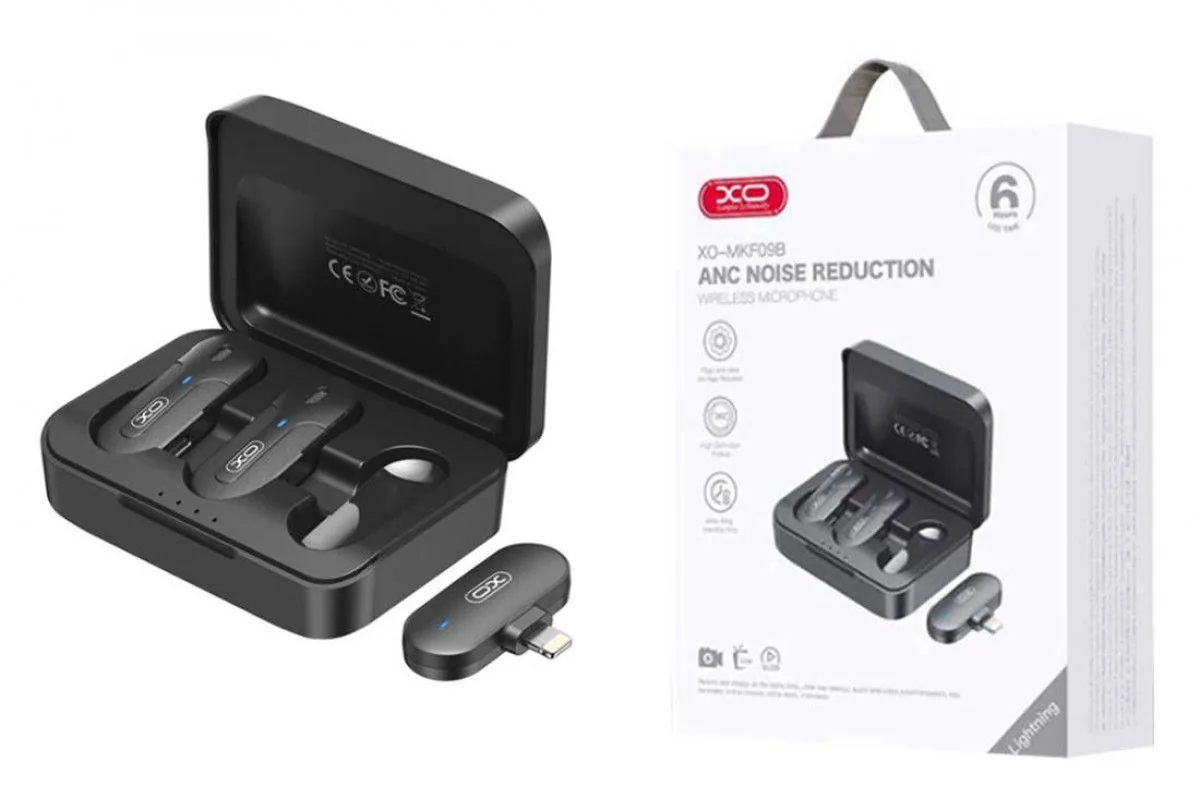
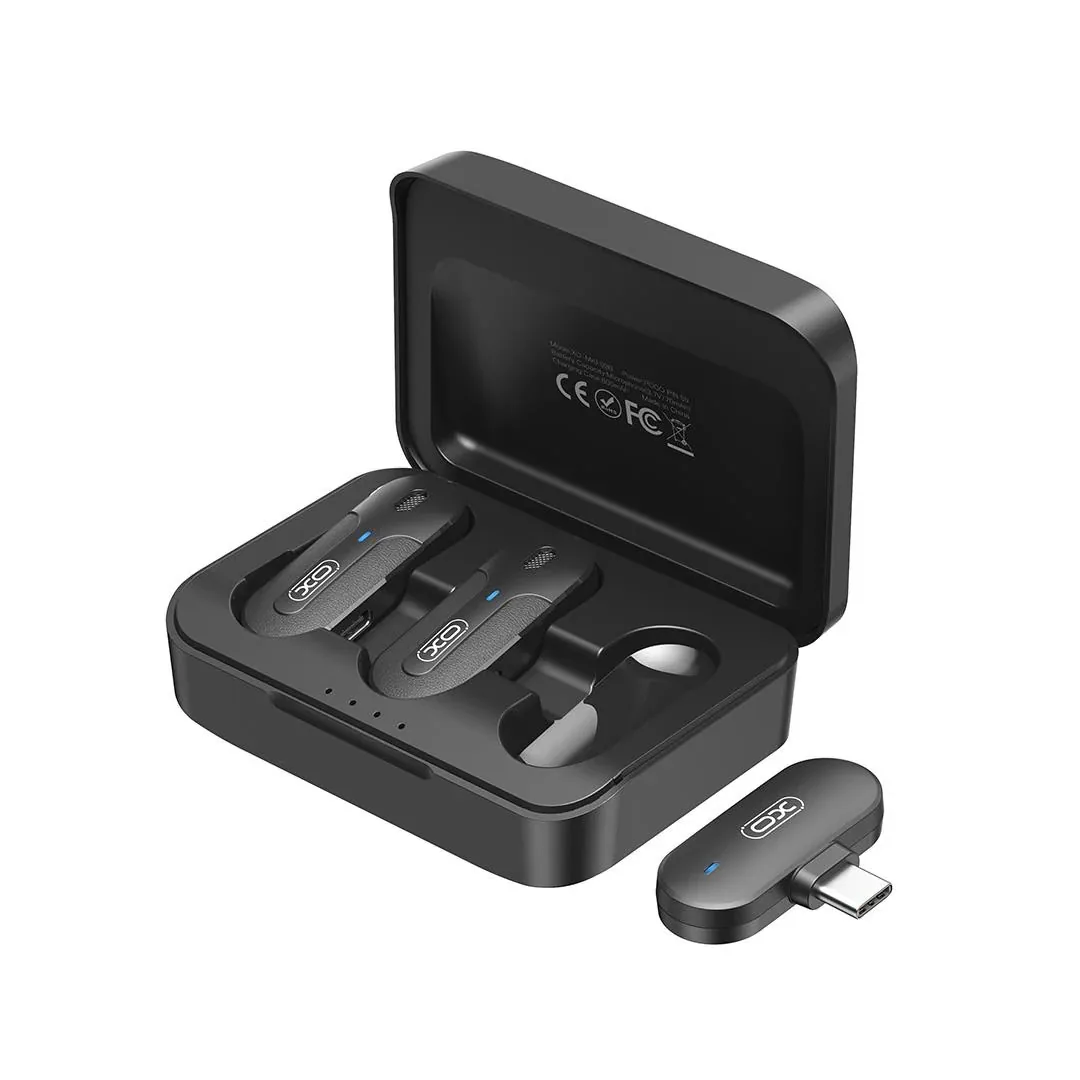
Wirless Microphones description
Microphones > Wirless Microphones. Wirless microphones are audio capture devices that transmit sound signals from a microphone capsule to a separate receiver without a physical cable. They are used where mobility, reduced cable routing, or separation between a sound source and mixing equipment is required. Typical contexts include live performance stages, houses of worship, conference and meeting venues, broadcast and recording studios, and mobile content production. A complete wireless system is usually understood to consist of a microphone element and a transmitter, a receiver unit that outputs audio to downstream equipment, and the associated antennas and mounting hardware needed to maintain a radio-frequency link.
About Wirless Microphones
Wireless microphone systems convey an audio signal using radio transmission from a microphone-equipped transmitter to a receiver that interfaces with mixers, amplifiers, recorders, or broadcast processors. System design addresses variables such as usable range, resistance to interference, battery consumption and management, and overall audio quality. Microphone elements used in wireless applications can employ different transducer types and polar patterns, and the transmitter electronics may be integrated into handheld microphones or provided as beltpack units that connect to small capsule microphones.
Receivers can be configured as single-channel units for simple applications or as multi-channel receivers for complex installations. Rack-mounted receivers are common in permanent or touring rigs, while compact receivers are used in portable setups. Antenna placement and cabling practices influence the robustness of the radio link; diversity reception and careful antenna distribution are among the strategies used to reduce the likelihood of signal dropouts. Frequency coordination and planning are important when multiple systems operate in the same venue or when other radio-frequency sources are present.
Installation and everyday operation include practical considerations such as battery and power management, mechanical durability of handheld and bodyworn components, connector and mounting choices for instruments, and procedures for routine maintenance. Operators typically plan channel allocation, monitor signal levels and link indicators, and adopt practices to minimise interference. Environmental factors such as physical obstructions, reflective surfaces, and nearby RF emitters can affect performance and should inform system placement and testing prior to use.
Common types, applications, and features
- Handheld transmitters: Integrated microphone bodies with built-in transmitter modules used where a single, hand-held device is preferred for vocalists, presenters, or interviewers; suitable for situations where the microphone is passed between users or handled directly.
- Lavalier systems: Small clip-on capsule microphones paired with bodypack transmitters for speech, theatre, broadcast, and video production; chosen when discreet placement and hands-free operation are important.
- Headset and throat microphones: Configurations that maintain consistent relative placement to the mouth or voice source, useful for presenters or performers who require freedom of movement and stable gain characteristics during active use.
- Instrument-mounted transmitters: Clip-on or jack-attached transmitters for acoustic instruments, electric instruments, and other sources requiring mobility without a cable connection to an amplifier or mixer.
- Receivers and rack systems: Single- and multi-channel receiver units intended for fixed installations or touring setups, with outputs that interface to professional audio equipment and options for antenna distribution and basic link monitoring.
- Power and battery management: Use and monitoring of batteries or rechargeable packs, provision for spare power sources, and operational modes that balance runtime with consistent transmission performance.
- Frequency and interference considerations: Planning for operation within available radio bands, channel selection practices, and the use of reception techniques intended to improve link reliability in environments with multiple RF systems.
FAQs
In how many brands related to Wirless Microphones available in Pakistan?
Right now, we have Wirless Microphones are available in 1 brand
What brands of Wirless Microphones are available at ShoppersStop.pk?
Currently, we have Wirless Microphones in stock from brand such as XO
Where to buy Wirless Microphones with lowest price in Pakistan?
ShoppersStop.pk is known as best online store to buy Wirless Microphones in Pakistan with the most lowest prices and best quality.
Do you offer Wirless Microphones delivery in Pakistan?
Yes, We do offer Wirless Microphones items with fastest shipping in Pakistan. We not only deliver products in major cities of Pakistan, but if you are living in rural areas, we make sure you get your order on time.
Are the Wirless Microphones 100% authentic?
Absolutely. All our Wirless Microphones are 100% genuine and sourced from verified brands.
Do you offer any warranty on Wirless Microphones?
All Wirless Microphones products bought from us comes with 7 days check warranty. For further details, please visit our Refund and Return Policy