
IMICE
IMICE appears in e-commerce catalogs as a label associated with consumer technology and accessories intended for everyday use. In online retail contexts, the brand is represented through individual product listings and grouped category pages that emphasize practical specifications, compatibility details and physical design considerations. Descriptions in these listings tend to prioritize measurable attributes, connection options and form factors so that potential purchasers can determine fit with existing devices and environments.
Catalog presentation and listing conventions
Within typical product pages, IMICE items are presented with clear photography, concise technical summaries and bullet lists that enumerate key features. Catalog entries commonly separate visual information from textual specifications: images show scale and finish while specification blocks list ports, cable types, dimensions, materials and other quantifiable data. This approach supports comparison shopping by allowing consumers to inspect functional differences across models and accessory types without relying on narrative brand statements.
Product descriptions generally focus on how items interface with computers, mobile devices and audio systems. Language used in listings favors compatibility cues and usage scenarios over lifestyle positioning. Where applicable, entries include notes about supported standards, connector types, system requirements and interoperability considerations to reduce uncertainty during selection. Packaging content often lists included components, required accessories and any items excluded from the box that a buyer should provide.
Product categories and typical specification focus
- Peripheral devices for computer and mobile use: listings highlight ports, cable lengths, connector standards and any adapters required for specific host devices.
- Audio accessories such as headsets, microphones and speakers: specification fields commonly include impedance, sensitivity, frequency response ranges and connectivity modes where relevant.
- Input devices and control units like mice and keyboards: materials emphasize ergonomics, switch types, polling rates or interface compatibility for desktop and laptop usage scenarios.
- Power and charging accessories including adapters and cables: entries typically state voltage and current ratings, plug and socket types, cable gauge and any integrated protection features relevant to safe operation.
- Mounting and positioning hardware: descriptions often reference construction materials, load capacity, range of motion or adjustability parameters and recommended installation methods.
- Compact consumer electronics: these products are usually profiled by dimensions, weight, battery characteristics and portability features suited to desk use or daily transport.
- Replacement parts and consumables: catalog copy for these items focuses on part numbers, compatibility codes and fitting or replacement instructions to support accurate selection and maintenance.
In addition to raw specifications, many listings include practical notes on maintenance, cleaning and basic troubleshooting to aid long-term use. Where compatible, documentation links or downloadable manuals are provided to clarify installation steps and safety considerations. Images and specification tables are used together to present a functional overview without extended commentary on corporate background.
Retail channels that carry IMICE products often present comparative tables or filter interfaces that allow sorting by attributes such as connector type, power rating or physical size. This facilitates targeted searches for components that match specific system configurations. Pricing and package variants are displayed alongside technical data so that shoppers can evaluate cost relative to required features. When available, standard warranty or return policy language is referenced in product pages to inform purchasing decisions, but detailed service terms are typically found in retailer or distributor documentation rather than within brief catalog entries.
Showing all 2 results
-
Sale!
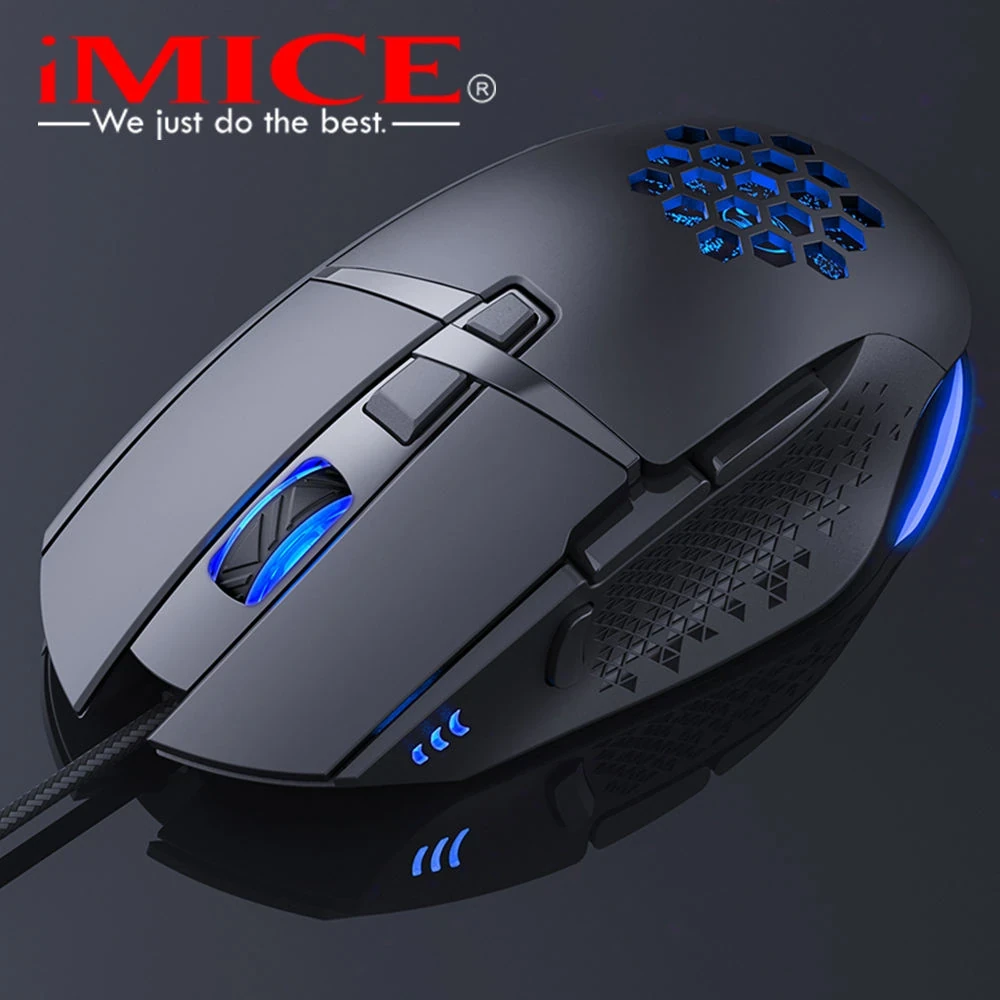
IMICE GAMING MOUSE WIRED T90
Original price was: ₨ 3,200.₨ 2,462Current price is: ₨ 2,462. Add to cart -
Sale!
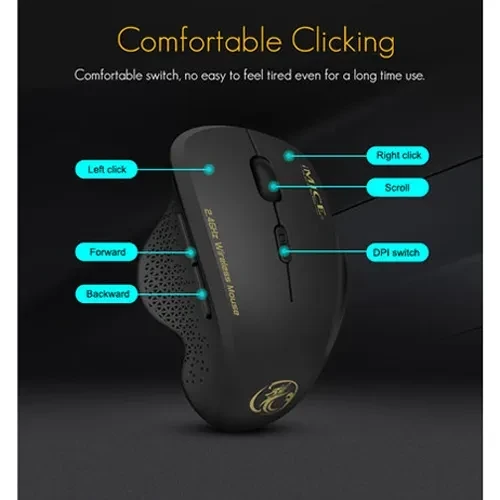
IMICE GAMING MOUSE WIRELESS G6
Original price was: ₨ 2,600.₨ 2,000Current price is: ₨ 2,000. Add to cart
IMICE description
IMICE appears in e-commerce catalogs as a label associated with consumer technology and accessories intended for everyday use. In online retail contexts, the brand is represented through individual product listings and grouped category pages that emphasize practical specifications, compatibility details and physical design considerations. Descriptions in these listings tend to prioritize measurable attributes, connection options and form factors so that potential purchasers can determine fit with existing devices and environments.
Catalog presentation and listing conventions
Within typical product pages, IMICE items are presented with clear photography, concise technical summaries and bullet lists that enumerate key features. Catalog entries commonly separate visual information from textual specifications: images show scale and finish while specification blocks list ports, cable types, dimensions, materials and other quantifiable data. This approach supports comparison shopping by allowing consumers to inspect functional differences across models and accessory types without relying on narrative brand statements.
Product descriptions generally focus on how items interface with computers, mobile devices and audio systems. Language used in listings favors compatibility cues and usage scenarios over lifestyle positioning. Where applicable, entries include notes about supported standards, connector types, system requirements and interoperability considerations to reduce uncertainty during selection. Packaging content often lists included components, required accessories and any items excluded from the box that a buyer should provide.
Product categories and typical specification focus
- Peripheral devices for computer and mobile use: listings highlight ports, cable lengths, connector standards and any adapters required for specific host devices.
- Audio accessories such as headsets, microphones and speakers: specification fields commonly include impedance, sensitivity, frequency response ranges and connectivity modes where relevant.
- Input devices and control units like mice and keyboards: materials emphasize ergonomics, switch types, polling rates or interface compatibility for desktop and laptop usage scenarios.
- Power and charging accessories including adapters and cables: entries typically state voltage and current ratings, plug and socket types, cable gauge and any integrated protection features relevant to safe operation.
- Mounting and positioning hardware: descriptions often reference construction materials, load capacity, range of motion or adjustability parameters and recommended installation methods.
- Compact consumer electronics: these products are usually profiled by dimensions, weight, battery characteristics and portability features suited to desk use or daily transport.
- Replacement parts and consumables: catalog copy for these items focuses on part numbers, compatibility codes and fitting or replacement instructions to support accurate selection and maintenance.
In addition to raw specifications, many listings include practical notes on maintenance, cleaning and basic troubleshooting to aid long-term use. Where compatible, documentation links or downloadable manuals are provided to clarify installation steps and safety considerations. Images and specification tables are used together to present a functional overview without extended commentary on corporate background.
Retail channels that carry IMICE products often present comparative tables or filter interfaces that allow sorting by attributes such as connector type, power rating or physical size. This facilitates targeted searches for components that match specific system configurations. Pricing and package variants are displayed alongside technical data so that shoppers can evaluate cost relative to required features. When available, standard warranty or return policy language is referenced in product pages to inform purchasing decisions, but detailed service terms are typically found in retailer or distributor documentation rather than within brief catalog entries.
FAQs
How many Product Categories are being offered by IMICE brand at ShoppersStop.pk?
ShoppersStop.pk's product catalogue offers 2 product categories in IMICE brand right now
What product categories do ShoppersStop.pk offer for IMICE brand?
Right now, here at ShoppersStop.pk , we offer IMICE products from different categories such as Computer Accessories, Mouses for IMICE brand
Where to buy IMICE items in lowest price in Pakistan?
Shop at ease all IMICE products for sale, such as Computer Accessories, Mouses. We at shoppersstop.pk offers the lowest prices in Pakistan.
Are IMICE items available for delivery in Pakistan?
Yes, here at ShoppersStop.pk, We offer 100% authentic IMICE items with fastest delivery in Pakistan.
What is source of your IMICE products in Pakistan?
We buy from products from legit distributors or wholesalers in Pakistan. At times we do make our own import direct from China.
Do you offer any warranty on IMICE brand products?
All IMICE brand items you buy from ShoppersStop.pk comes with 7 days check warranty. For further details, please visit our Refund and Return Policy